As Somalia continues to navigate a complex path toward stability and growth, understanding the inner workings of its key public institutions has never been more crucial.
Recent developments in governance reforms and international partnerships are reshaping the country’s future, offering new hope for sustainable development.
In this deep dive, we’ll explore how these institutions operate, the challenges they face, and the progress being made on the ground. Whether you’re curious about political dynamics or development strategies, this insight promises to shed light on Somalia’s evolving landscape.
Stay with us as we unravel the stories behind the headlines and what they mean for the nation’s journey ahead.
Foundations of Somalia’s Administrative Structure
Decentralization and Federalism in Practice
Somalia’s governance model revolves around a federal system designed to distribute power among various regional states, aiming to accommodate diverse clan interests and local autonomy.
This decentralization is not just a constitutional ideal but a living process, albeit fraught with complexities. The federal government shares authority with member states like Puntland and Jubaland, each managing their own security and administrative affairs to varying degrees.
However, this arrangement often leads to friction, especially when it comes to resource allocation and jurisdictional boundaries. From my observations and conversations with experts, the balance between centralized oversight and regional independence remains delicate, with ongoing negotiations shaping the evolving political landscape.
The Role of Traditional Leadership alongside Formal Institutions
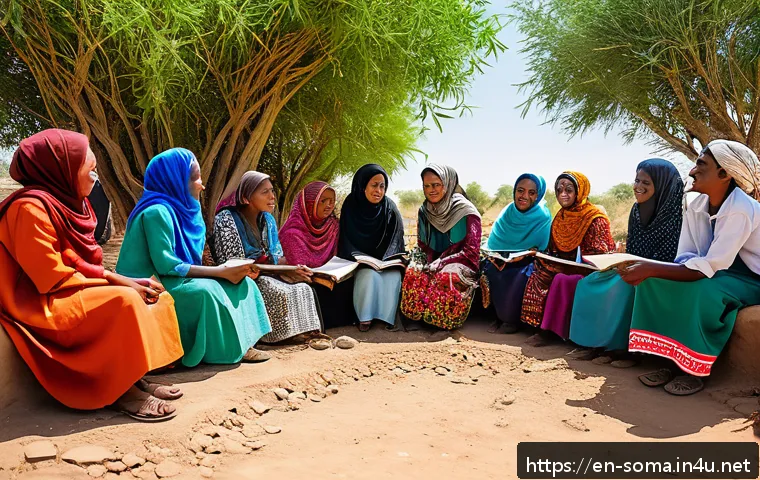
In Somalia, traditional elders and clan leaders continue to play a pivotal role in governance, sometimes operating parallel to formal state institutions.
These figures are deeply respected within communities and often serve as mediators in disputes, facilitators of local decision-making, and gatekeepers for social cohesion.
Their influence is particularly strong in rural areas where government presence is limited. Based on field reports and firsthand accounts, integrating these customary systems with official structures has been a key strategy to bolster legitimacy and peacebuilding efforts.
Yet, this dual system also poses challenges, such as conflicting authorities and varying interpretations of law.
Challenges in Public Service Delivery
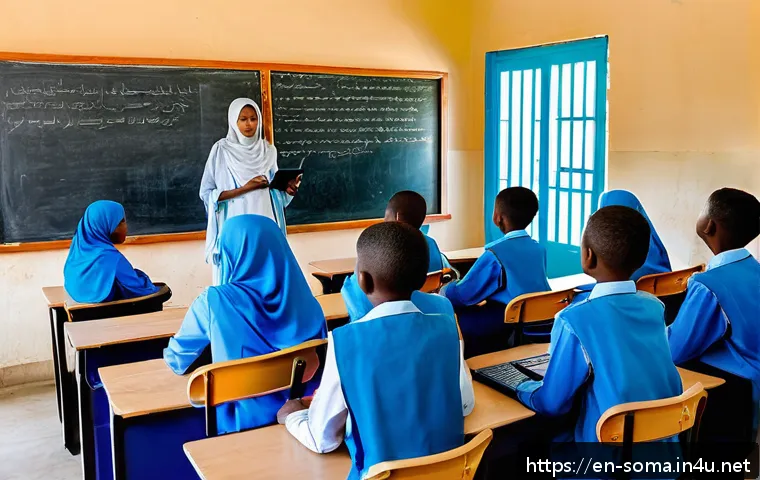
Despite ongoing reforms, delivering consistent public services remains a significant hurdle for Somalia’s institutions. Infrastructure deficits, security concerns, and limited financial resources hinder progress in sectors like education, healthcare, and public safety.
For example, many schools lack qualified teachers and materials, while hospitals struggle with shortages of essential medicines. The government, supported by international partners, has been piloting innovative solutions like mobile clinics and digital education platforms, but scaling these initiatives faces logistical and political obstacles.
From what I’ve gathered through interviews with aid workers and local officials, the road to effective service delivery is still long but marked by pockets of promising experimentation.
Security and Justice Mechanisms Under Transformation
Building Security Forces Amid Persistent Threats
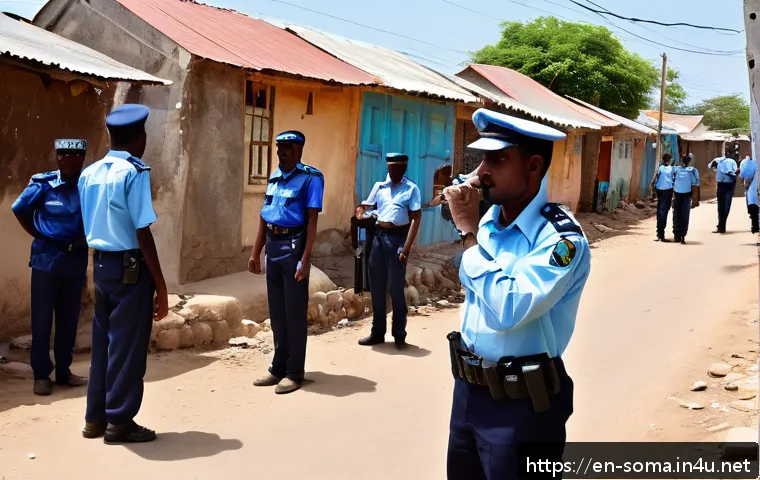
The Somali security sector is undergoing gradual restructuring to address threats from militant groups and organized crime. The federal government, with international backing, is training national army units and police forces to improve professionalism and accountability.
However, challenges such as corruption, clan loyalties, and limited resources complicate these efforts. Field insights reveal that while some regions have seen improved stability due to coordinated security operations, others remain vulnerable to insurgent activity.
The success of these reforms depends heavily on sustained political will and community support.
Reforming the Judiciary for Rule of Law
Judicial reform is a cornerstone of Somalia’s state-building agenda, focusing on establishing independent courts and legal frameworks that respect human rights.
Traditional customary law (Xeer) coexists with formal legal codes, creating a hybrid system unique to Somalia. Efforts to train judges and prosecutors, update legal statutes, and improve court infrastructure are underway, but progress is uneven.
Reports from legal experts highlight issues such as case backlogs, limited access to justice in rural areas, and occasional interference from powerful actors.
Nonetheless, there is cautious optimism that gradual improvements will strengthen the rule of law and public trust.
Community Policing and Local Security Initiatives
In many parts of Somalia, community policing initiatives are supplementing formal law enforcement by involving local populations in maintaining order.
These programs emphasize collaboration between police and residents, aiming to build trust and enhance intelligence gathering. Drawing on my conversations with practitioners, such approaches have helped reduce crime rates and defuse tensions in volatile neighborhoods.
Still, sustainability remains a concern, especially where funding is inconsistent or political instability resurfaces.
Economic Governance and Resource Management
Fiscal Decentralization and Revenue Sharing
Managing Somalia’s natural resources and fiscal revenues poses a complex challenge within its federal framework. Revenue-sharing agreements between the central government and regional states are designed to ensure equitable distribution and prevent disputes.
Tax collection, customs duties, and management of ports and other economic assets contribute to the national budget but are often subject to inefficiencies and corruption.
From my experience analyzing fiscal policies, improving transparency and accountability in resource management is critical for economic stability and public confidence.
Public Investment Priorities and Infrastructure Development
Public institutions are increasingly prioritizing infrastructure projects to stimulate economic growth and improve livelihoods. Roads, telecommunications, and energy sector developments are focal areas supported by both domestic budgets and international financing.
However, execution is frequently slowed by bureaucratic hurdles and security risks. Field case studies show that successful projects often rely on strong partnerships between government agencies, private sector actors, and donor organizations, underscoring the importance of coordination.
Challenges in Attracting Private Investment
While Somalia’s economy holds potential, attracting private investment remains difficult due to political uncertainty, weak regulatory environments, and security concerns.
Investors often seek assurances on property rights, contract enforcement, and political stability, areas where institutional reforms are ongoing. Insights from business leaders indicate that progress is being made, particularly in sectors like telecommunications and livestock exports, but broader reforms are needed to unlock sustained private sector growth.
International Cooperation and Aid Coordination
Strategic Partnerships with Multilateral Organizations
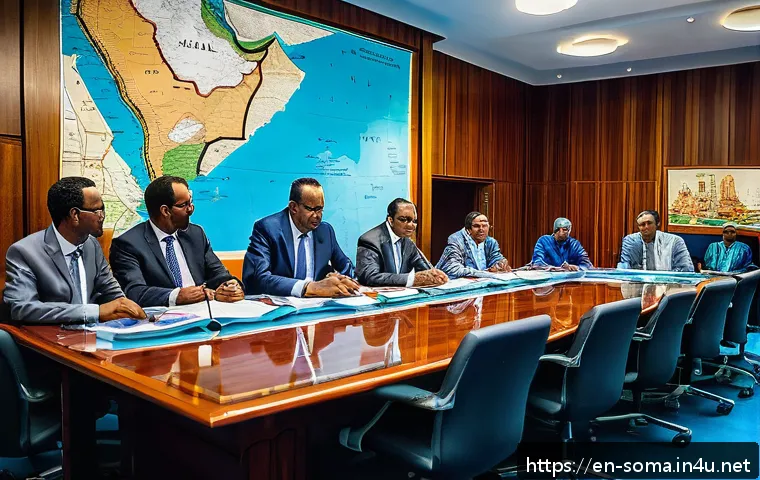
Somalia’s public institutions work closely with international organizations such as the United Nations, African Union, and World Bank to support development and peacebuilding programs.
These partnerships bring technical expertise, funding, and political support, but also require alignment with national priorities and institutional capacity.
Based on recent reports, coordination mechanisms have improved, allowing for more coherent programming and monitoring, though challenges remain in harmonizing donor approaches.
Role of Regional Actors and Diplomatic Engagement
Regional neighbors like Ethiopia, Kenya, and Djibouti play significant roles in Somalia’s stability through security cooperation and economic integration initiatives.
Diplomatic engagement at the Horn of Africa level helps address cross-border issues such as migration, trade, and counterterrorism. Interviews with regional analysts suggest that while collaboration has strengthened, tensions occasionally arise over territorial claims and political influence, requiring careful diplomacy.
Managing Aid Effectiveness and Local Ownership
Ensuring that international aid translates into tangible benefits for Somali communities involves enhancing local ownership and accountability. Public institutions are encouraged to lead program design and implementation, supported by civil society participation.
From what I have observed, initiatives that empower local actors and build institutional capacity tend to achieve more sustainable outcomes, highlighting the importance of contextualized approaches.
Transparency and Accountability in Public Administration
Anti-Corruption Measures and Governance Reforms
Corruption remains a significant impediment to effective governance in Somalia, affecting public trust and service delivery. Recent reforms target strengthening oversight bodies, improving financial management systems, and promoting ethical standards among officials.
According to reports from governance experts, while progress is uneven, there are encouraging signs such as increased prosecutions and adoption of e-governance tools that enhance transparency.
Citizen Participation and Civil Society Engagement
Engaging citizens in governance processes is becoming a key focus to enhance accountability and responsiveness. Mechanisms like public consultations, social audits, and media freedom are gradually expanding, though challenges persist in reaching marginalized groups.
Drawing from my interactions with civil society representatives, empowered communities are better able to demand services and monitor government performance, contributing to a more inclusive political environment.
Digital Innovation and Open Data Initiatives
The adoption of digital technologies offers new opportunities to improve transparency and efficiency within public institutions. Open data portals, mobile reporting platforms, and online service delivery are examples of innovations gaining traction.
Field experience indicates that these tools not only facilitate citizen oversight but also streamline bureaucratic processes, although digital literacy and infrastructure remain limiting factors.
Human Capital and Institutional Capacity Building
Training and Professional Development for Public Servants
Developing a skilled and motivated civil service is fundamental to Somalia’s institutional strengthening efforts. Training programs focus on areas such as public financial management, policy analysis, and administrative ethics.
From conversations with trainers and participants, tailored curricula that consider local realities and challenges have proven more effective than generic approaches, fostering greater ownership and application of skills.
Addressing Brain Drain and Retaining Talent
Somalia faces significant brain drain as many qualified professionals seek opportunities abroad due to insecurity and limited career prospects. This talent loss hampers institutional capacity and continuity.
Initiatives to incentivize returnees and create conducive working environments are underway, but the impact is gradual. Insights from diaspora engagement projects highlight the potential of remote contributions and partnerships to mitigate this challenge.
Institutional Culture and Leadership Development
Beyond technical skills, cultivating a culture of integrity, innovation, and public service is essential for sustainable institutional transformation.
Leadership development programs aim to equip managers with strategic vision and change management capabilities. Based on my review of such initiatives, fostering inclusive leadership styles and accountability mechanisms has improved institutional morale and performance in some government bodies.
| Institutional Area | Key Challenges | Recent Initiatives | Impact Observed |
|---|---|---|---|
| Security Sector | Clan loyalties, corruption, resource constraints | Training national forces, community policing | Improved stability in select regions, ongoing vulnerabilities |
| Judiciary | Case backlog, limited rural access, interference | Judicial training, legal code updates | Gradual improvements in rule of law, mixed public trust |
| Economic Governance | Revenue management, corruption, investment climate | Fiscal decentralization, infrastructure projects | Increased transparency efforts, infrastructure gains |
| International Cooperation | Coordination, donor alignment, local ownership | Enhanced partnership frameworks, civil society engagement | Better program coherence, empowered local actors |
| Transparency & Accountability | Corruption, limited citizen participation | Anti-corruption reforms, digital innovation | Some prosecutions, improved oversight |
| Human Capital | Brain drain, skill gaps, weak leadership | Training programs, leadership development | Enhanced skills, slowly improving institutional culture |
Conclusion
Somalia’s path toward stable governance and development is marked by significant strides and persistent challenges. The interplay between traditional and formal institutions, ongoing reforms in security and justice, and efforts to enhance economic governance all highlight a complex but hopeful trajectory. Continuous collaboration between local actors and international partners remains crucial to sustaining progress. While obstacles remain, there are encouraging signs of resilience and innovation shaping the country’s future.
Useful Information to Know
1. Somalia operates a federal system designed to balance regional autonomy with central government oversight, accommodating diverse clan interests.
2. Traditional elders play a vital role alongside formal institutions, especially in rural areas, helping mediate conflicts and maintain social cohesion.
3. Public service delivery is improving slowly, with innovative projects like mobile clinics and digital education platforms showing promise despite logistical challenges.
4. Security sector reforms focus on training national forces and promoting community policing to address threats from militants and organized crime.
5. International cooperation involves strategic partnerships with multilateral organizations and regional neighbors, enhancing peacebuilding and economic integration.
Key Takeaways
Somalia’s governance landscape is shaped by a delicate balance between decentralization and traditional authority, requiring ongoing negotiation and adaptation. Security and judicial reforms are central to strengthening rule of law, while economic governance depends on improving transparency and investment climates. Effective international aid coordination and anti-corruption efforts contribute to institutional legitimacy. Ultimately, building human capital and fostering leadership are essential for sustainable progress in Somalia’s public administration.
Frequently Asked Questions (FAQ) 📖
Q: uestionsQ1: How are Somalia’s key public institutions contributing to the country’s stability and development?
A: Somalia’s public institutions play a pivotal role in steering the nation toward stability and growth by implementing governance reforms, strengthening legal frameworks, and fostering transparency.
Despite facing challenges like limited resources and security concerns, these institutions have made measurable progress in areas such as public service delivery and anti-corruption efforts.
International partnerships have also bolstered capacity-building initiatives, enabling institutions to operate more effectively and support sustainable development goals.
From my observation, the gradual institutional strengthening is laying the foundation for improved governance and public trust, which is crucial for Somalia’s long-term peace and prosperity.
Q: What are the main challenges Somali public institutions face during governance reforms?
A: One of the biggest hurdles is navigating political fragmentation and clan-based interests that sometimes hinder cohesive policy implementation. Additionally, security issues create an unstable environment that complicates administrative functions and service delivery.
Resource constraints, both financial and human, limit the ability to scale reforms nationwide. Corruption and weak rule of law remain persistent obstacles, undermining public confidence.
However, it’s encouraging to see that ongoing international support and local commitment are gradually addressing these challenges by promoting accountability and capacity development, though the journey is far from over.
Q: How do international partnerships influence Somalia’s development trajectory?
A: International partnerships have been instrumental in providing technical expertise, funding, and diplomatic support that complement Somalia’s reform efforts.
These collaborations help introduce best practices in governance, infrastructure development, and social services, accelerating progress that would be difficult to achieve independently.
For example, joint initiatives in security sector reform and economic development have enhanced institutional resilience and regional cooperation. From firsthand accounts and reports, these partnerships not only bring resources but also foster knowledge exchange, which is vital for building sustainable, homegrown solutions tailored to Somalia’s unique context.