In today’s fast-changing world, preserving cultural heritage has never been more vital. Somalia’s rich architectural traditions offer a fascinating glimpse into the past, blending history with artistry in ways that continue to inspire.
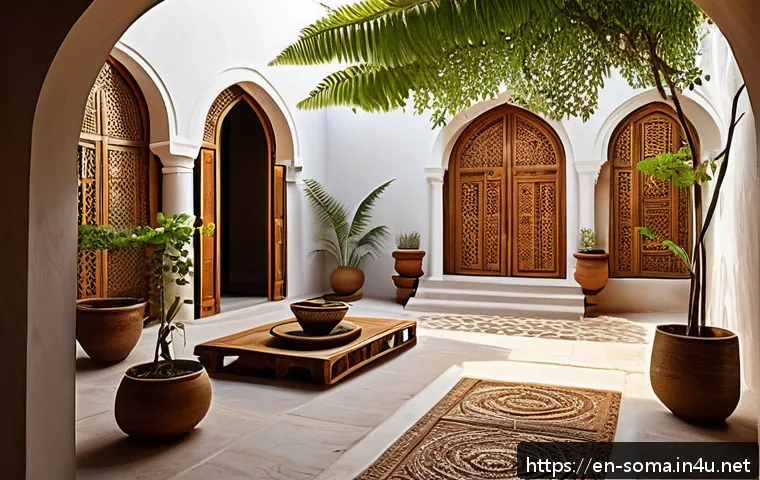
As we explore these traditional Somali structures, you’ll uncover stories etched into stone and wood, reflecting centuries of community life and resilience.
Whether you’re a history buff or simply curious about global architecture, this journey promises fresh insights and vivid discoveries. Let’s dive into the hidden gems of Somalia’s built heritage and see why they matter now more than ever.
Architectural Techniques Rooted in Somali Traditions
Use of Local Materials: Stone, Coral, and Wood
Somali builders have historically relied on materials readily available in their environment, such as coral stone from coastal areas, limestone, and various types of hardwood.
These materials were not only abundant but also well-suited to the climate, providing natural insulation against the intense heat. For example, coral stone walls in coastal homes absorb and slowly release heat, keeping interiors cool during the day.
Wood was often used for intricately carved doors and window frames, showcasing the craftsmanship and artistic sensibilities of Somali artisans. This use of local resources reflects a deep understanding of both environmental factors and cultural aesthetics, which continues to inspire sustainable building practices today.
Structural Design Focused on Community Living
Traditional Somali architecture emphasizes communal living spaces that foster social interaction. Houses often feature central courtyards surrounded by rooms, creating a private yet open environment for families to gather.
This layout supports the extended family structure common in Somali culture, where multiple generations often live under one roof. The design encourages airflow and natural light, enhancing comfort without relying on modern technology.
In some nomadic communities, temporary shelters are constructed using lightweight materials like woven mats and wooden frames, highlighting adaptability and mobility, which remain crucial to the Somali way of life.
Decorative Elements and Symbolism
Beyond functionality, Somali architecture incorporates decorative motifs that carry cultural significance. Geometric patterns and calligraphic inscriptions are commonly found on doors, windows, and walls, often symbolizing protection, prosperity, or religious devotion.
The artistry embedded in these elements tells stories about the family or community’s identity and values. From my own visits to historic sites, I was struck by how these decorations are not mere embellishments but living expressions of heritage, bridging past and present through visual language.
The Role of Mosques in Somali Architectural Heritage
Mosques as Centers of Community and Culture
Mosques in Somalia serve far more than spiritual purposes; they are focal points of community life and architectural pride. Many mosques feature distinctive minarets and domes that blend Islamic architectural traditions with local building styles.
The communal prayer halls are designed to accommodate large groups, emphasizing inclusivity and social cohesion. Walking through some of these mosques, I noticed the harmonious balance between function and beauty, with open courtyards and shaded areas inviting reflection and social exchange.
Architectural Innovations in Mosque Construction
Somali mosque builders have incorporated innovative techniques to address environmental challenges. For example, the use of vaulted ceilings and strategic ventilation channels enhances airflow, making large indoor spaces comfortable even during hot seasons.
Some mosques also employ intricate latticework screens that provide privacy without sacrificing light. These adaptations demonstrate a sophisticated understanding of both spiritual needs and practical comfort, rooted in centuries of experience.
Preservation Efforts and Challenges
Despite their importance, many Somali mosques face threats from urban development, conflict, and neglect. Preservation efforts often rely on community initiatives and international support, focusing on restoring damaged structures while respecting traditional methods.
From talking with local preservationists, I learned that maintaining these sites is about more than architecture—it’s about safeguarding identity and history.
Balancing modern needs with heritage conservation remains a delicate task, but one that many are passionate about pursuing.
Vernacular Architecture: The Art of Living in Harmony with Nature
Climate-Responsive Building Strategies
Somali vernacular architecture is a testament to living in harmony with the harsh climatic conditions of the region. Thick walls, small windows, and shaded verandas are common features that reduce heat gain and protect inhabitants from sandstorms.
The placement of buildings often takes advantage of natural breezes, and roofs are designed to collect rainwater in arid areas. From personal observation, these strategies not only enhance comfort but also reduce dependence on artificial cooling, offering a blueprint for eco-friendly design.
Temporary Dwellings of Nomadic Communities
For nomadic Somalis, mobility is essential, and their shelters reflect this lifestyle. Lightweight structures made from woven palm leaves, animal skins, or fabric are easy to assemble, disassemble, and transport.
These tents provide shelter from sun and wind while allowing ventilation, crucial for survival in the desert environment. Experiencing a nomadic camp firsthand, I gained an appreciation for the ingenuity behind these dwellings, which perfectly balance simplicity with functionality.
Integration of Social and Environmental Needs
Vernacular architecture in Somalia is deeply intertwined with social customs and environmental realities. For instance, homes are often oriented to maintain privacy from neighboring compounds while fostering communal ties within the family unit.
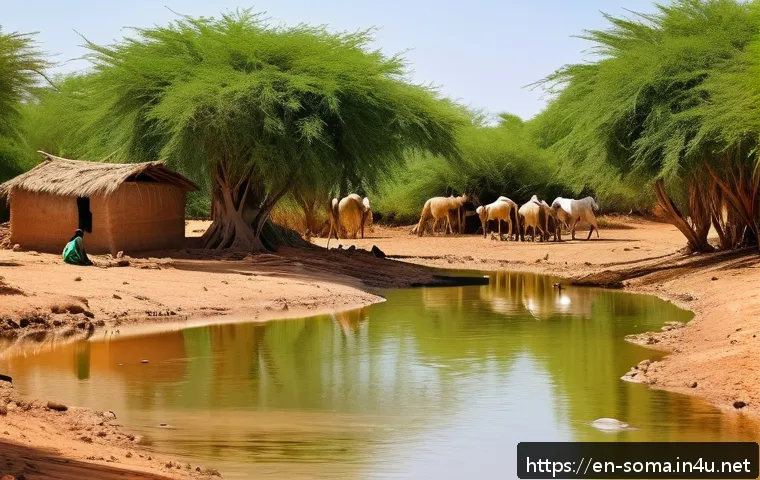
Water sources and livestock enclosures are strategically placed to optimize resource use. This thoughtful integration ensures that architecture supports daily life holistically, a principle increasingly relevant in today’s sustainable design conversations.
Distinctive Features of Somali Coastal Architecture
Adaptations to Salt and Humidity
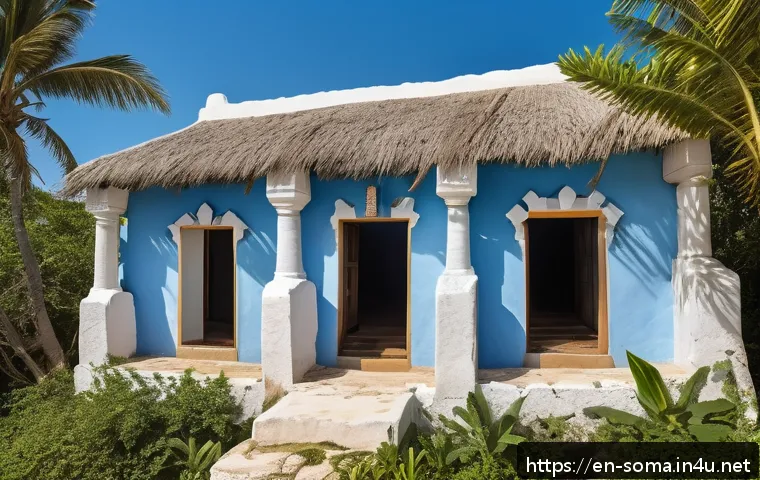
Coastal Somali architecture reveals unique adaptations to the salty air and high humidity of the Indian Ocean shores. Builders use coral stone and lime mortar, which resist erosion better than conventional materials.
Roofs are often pitched steeply to shed rain quickly, and ventilation openings are designed to allow sea breezes to cool interiors. Visiting coastal towns, I was impressed by how these buildings have withstood the test of time, standing as resilient monuments to local ingenuity.
Blending of African and Arab Influences
The coastal architecture reflects a rich cultural exchange between Somali, Arab, and Swahili traders over centuries. This fusion is evident in ornate wooden balconies, intricately carved doors, and the use of arches and domes.
These elements combine aesthetic beauty with practical benefits, such as shading and airflow. From my research and travel experiences, it’s clear that this blend creates a unique architectural identity that speaks to Somalia’s historical role as a crossroads of cultures.

Preservation of Maritime Heritage Through Architecture
Many coastal structures serve as reminders of Somalia’s maritime heritage, including old ports, warehouses, and watchtowers. These buildings tell stories of trade, defense, and cultural exchange.
Efforts to preserve them are ongoing, often led by local communities who see these sites as vital links to their ancestors. I’ve witnessed community-led restoration projects that combine traditional craftsmanship with modern conservation techniques, illustrating a living commitment to heritage.
Symbolism and Meaning Embedded in Somali Architectural Forms
Architectural Storytelling Through Design
Somali architecture often functions as a narrative medium, with design elements conveying stories of lineage, faith, and social status. For example, decorative motifs might represent clan symbols or religious verses, making each building a unique cultural statement.
In my conversations with local elders, I discovered that these symbols serve as visual histories, passed down through generations and providing a sense of belonging.
Spiritual Significance in Building Orientation and Layout
The orientation of buildings frequently aligns with religious or cosmological beliefs, such as facing Mecca or positioning entrances to welcome blessings.
Courtyards and prayer spaces are carefully integrated to support spiritual practices. This thoughtful planning reflects the inseparability of faith and daily life in Somali culture, a concept I found deeply moving during visits to traditional homes and religious sites.
Artisanal Craftsmanship as a Cultural Legacy
Carved doors, painted ceilings, and woven wall hangings are more than decorative; they represent the artisanal heritage of Somali communities. These crafts are often taught within families, preserving techniques that have endured for centuries.
Observing craftsmen at work, I appreciated the skill and patience involved, as well as the pride taken in maintaining these traditions that enrich Somali architectural identity.
Overview of Key Characteristics in Somali Traditional Architecture
| Characteristic | Description | Example |
|---|---|---|
| Material Use | Local stones, coral, hardwood, and woven materials adapted to environment | Coral stone houses in coastal towns |
| Structural Design | Courtyard-centered homes supporting extended families | Traditional compounds in rural areas |
| Climate Adaptation | Thick walls, small windows, ventilation for heat and sand protection | Nomadic tents and urban houses |
| Decorative Elements | Geometric patterns, calligraphy, carved wooden doors | Carved mosque doors and household entrances |
| Cultural Symbolism | Architectural features reflecting clan identity and religious beliefs | Orientation towards Mecca, clan motifs on doors |
Modern Challenges and Opportunities in Preserving Somali Architectural Heritage
Impact of Urbanization and Conflict
Rapid urban growth and decades of conflict have taken a toll on many traditional structures. Historic buildings are sometimes demolished or left to deteriorate, as new developments prioritize modern construction.
From what I’ve observed, this trend threatens not only physical heritage but also the cultural narratives embedded in architecture. However, there is growing awareness among urban planners and communities about integrating preservation into development strategies.
Community-Driven Conservation Initiatives
Local communities are increasingly active in preserving their architectural heritage, often partnering with NGOs and international organizations. These efforts include restoring mosques, homes, and public buildings using traditional materials and techniques.
I had the chance to meet community leaders who emphasized how these projects foster pride and economic opportunity through cultural tourism, creating a positive cycle of preservation and development.
Incorporating Heritage in Contemporary Design
Architects and designers in Somalia are exploring ways to blend traditional elements with modern functionality. This approach respects cultural identity while meeting current needs for safety, comfort, and sustainability.
In my experience, such fusion designs attract interest both locally and globally, demonstrating that heritage can be a living, evolving source of inspiration rather than a static relic.
In Conclusion
Somali traditional architecture beautifully reflects a harmonious blend of environmental adaptation, cultural expression, and communal values. Its use of local materials and thoughtful designs offers sustainable solutions that remain relevant today. Preserving this rich heritage is essential not only for maintaining identity but also for inspiring future architectural innovations. Through community efforts and modern integration, Somali architecture continues to thrive as a living tradition.
Useful Information to Know
1. Somali architecture extensively uses locally sourced materials like coral stone and hardwood, which provide natural climate control and durability.
2. Traditional homes often feature central courtyards that support extended family living and promote social interaction.
3. Decorative patterns and calligraphy are more than aesthetic elements; they carry deep cultural and spiritual meanings.
4. Coastal architecture incorporates design adaptations to withstand salt, humidity, and strong winds, demonstrating resilience.
5. Community-led preservation initiatives are vital in protecting and revitalizing Somali architectural heritage amidst urbanization challenges.
Key Takeaways
Somali architecture is a dynamic expression of cultural identity and environmental wisdom, emphasizing community cohesion, sustainability, and artistry. Its unique fusion of indigenous and external influences creates a distinctive style that is both functional and symbolic. While facing modern pressures, ongoing conservation and innovative design approaches offer promising paths to safeguard and evolve this invaluable heritage for generations to come.
Frequently Asked Questions (FAQ) 📖
Q: Why is preserving Somalia’s architectural heritage important today?
A: Preserving Somalia’s architectural heritage is crucial because it connects us to the country’s rich history and cultural identity. These structures tell stories of resilience, community, and artistry that have survived centuries of change.
Protecting them helps maintain a sense of pride and continuity for Somalis while offering the world a deeper understanding of their unique cultural contributions.
In today’s globalized world, where rapid development can erase traditional landmarks, preserving these buildings ensures that future generations can experience and learn from this valuable heritage.
Q: What are some distinctive features of traditional Somali architecture?
A: Traditional Somali architecture is known for its intricate stone and woodwork, reflecting both Islamic influences and indigenous building techniques. Many structures feature detailed geometric patterns, carved wooden doors, and coral stone walls that provide natural cooling in a hot climate.
The use of locally sourced materials and the emphasis on craftsmanship create buildings that are both functional and artistic. From ancient mosques to clan houses, these features not only showcase aesthetic beauty but also reveal how architecture was tailored to social and environmental needs.
Q: How can travelers responsibly explore Somalia’s architectural sites?
A: Travelers interested in exploring Somalia’s architectural heritage should prioritize respectful and informed visits. It’s best to work with local guides who understand the cultural significance of the sites and can share authentic stories.
Visitors should avoid damaging fragile structures and always seek permission before photographing or entering private properties. Supporting community-led tourism initiatives also helps sustain preservation efforts and benefits local economies.
By approaching these sites with curiosity and respect, travelers contribute to keeping Somalia’s rich architectural legacy alive.