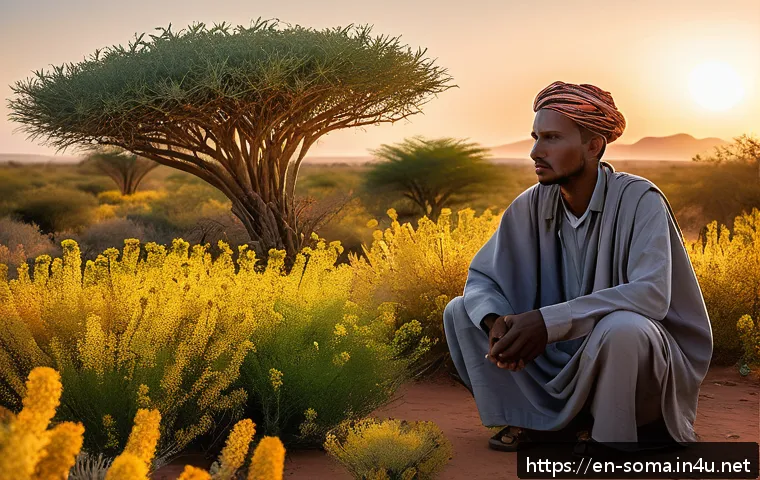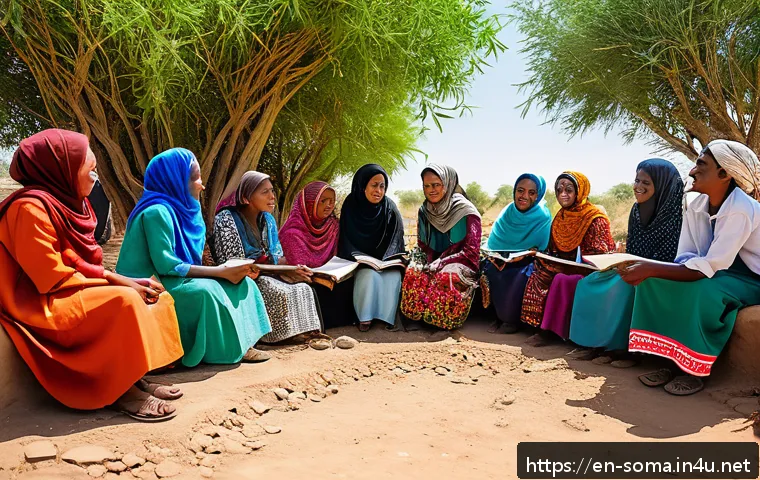
Exploring Mogadishu today offers a fascinating blend of resilience and rich culture that’s rarely seen elsewhere. As the city continues to rebuild and open its doors to travelers, understanding the local customs and safety nuances becomes essential.
Whether you’re drawn by its vibrant markets or historic landmarks, diving into an authentic Somali experience requires more than just a quick visit. I’ve gathered practical tips that helped me navigate Mogadishu confidently, ensuring both safety and genuine connection.
Ready to uncover the real heartbeat of this dynamic city? Let’s dive in.
Understanding Mogadishu’s Neighborhoods and Their Unique Vibes
Exploring the Historic Districts
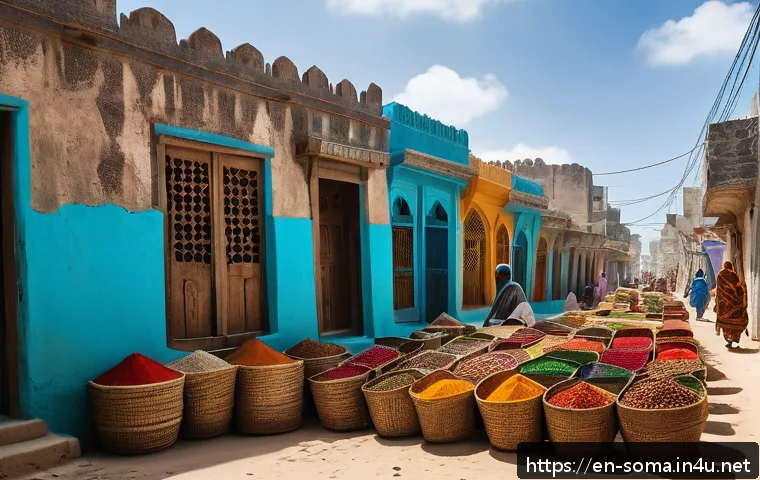
Walking through Mogadishu’s historic districts feels like stepping back in time. The old town area, with its crumbling yet charming architecture, tells stories of centuries past.
I was genuinely amazed by the intricate designs on mosques and old buildings that have withstood the test of time. The narrow streets are alive with vendors selling traditional crafts and spices, and despite the hustle, there’s a warmth in the air that welcomes curious travelers.
It’s the perfect spot to soak in Somali history while chatting with locals who are proud to share their heritage.
Modern Districts and Business Hubs
In contrast, the newer parts of Mogadishu buzz with energy and ambition. As I ventured into areas like Hodan and Waberi, I noticed a mix of modern shops, cafes, and bustling markets that reflect the city’s ongoing revival.
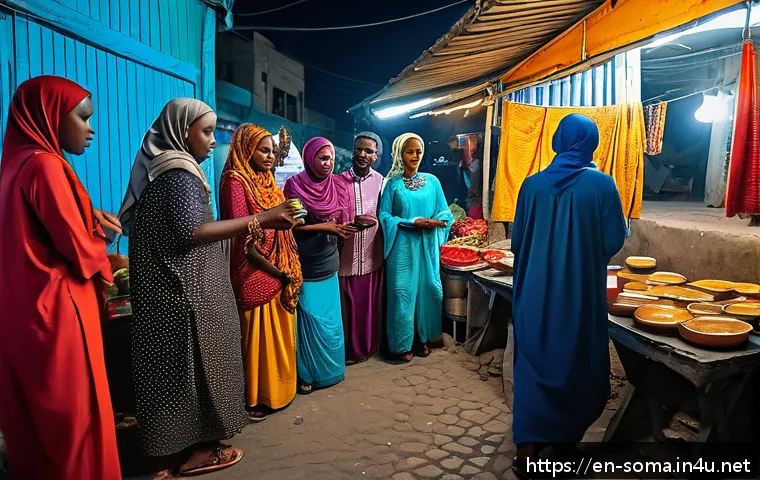
These neighborhoods are great for experiencing contemporary Somali life, where young entrepreneurs are shaping the future. The streets are livelier after sunset, filled with families and friends enjoying local street food and music, creating a vibrant urban atmosphere.
Safety Tips for Navigating Different Areas
Safety is always a priority when exploring a city like Mogadishu. From my experience, sticking to well-known neighborhoods and traveling during daylight hours made a huge difference.
Hiring local guides or drivers familiar with the city’s nuances helped me avoid risky spots and discover hidden gems. Always keep your belongings secure and stay aware of your surroundings, especially in crowded markets.
Knowing a few Somali phrases also built instant trust with locals, making interactions smoother and safer.
Immersing Yourself in Somali Cuisine and Market Culture
Must-Try Traditional Dishes
One of the highlights of my visit was diving into Somali cuisine, which blends rich flavors from African, Arab, and Mediterranean influences. I highly recommend trying camel meat stew, which has a unique taste that’s both hearty and aromatic.
Another favorite was “canjeero,” a type of sourdough pancake eaten for breakfast, often paired with honey or spiced tea. Street food vendors offer sambusas—deep-fried pastries filled with meat or vegetables—that are perfect for a quick snack while exploring.
Shopping at Mogadishu’s Bustling Markets
The markets in Mogadishu are sensory overload in the best way possible. At Bakara Market, I was surrounded by a kaleidoscope of colors from woven baskets, traditional fabrics, and handcrafted jewelry.
Haggling is part of the experience, and locals appreciate when you negotiate respectfully. The lively atmosphere, combined with the tantalizing smells of spices like cardamom and cumin, makes shopping here a memorable adventure.
It’s also a great opportunity to support small businesses and artisans.
Tips for a Respectful Market Experience
When shopping in Mogadishu’s markets, it’s crucial to approach interactions with patience and respect. I found that dressing modestly and greeting vendors warmly opened many doors.
Taking photos should always be done with permission, as some locals are sensitive about privacy. Carrying small bills helps with smooth transactions, as vendors often don’t have change for large notes.
Lastly, showing genuine interest in the products and their stories led to meaningful conversations and even invitations to local homes.
Local Customs and Social Etiquette to Know
Greeting and Communication Styles
Somalis are known for their hospitality and warmth, and greetings are an important part of daily life. When I met locals, a handshake combined with a slight nod showed respect.
In more traditional settings, especially among elders, standing up while greeting is a sign of courtesy. Conversations often start with inquiries about family and health, reflecting the community-oriented culture.
Speaking slowly and clearly, while maintaining eye contact, helped me build rapport quickly.
Dressing Appropriately for Different Settings
Respecting local dress codes is essential in Mogadishu. For men, long pants and shirts with sleeves are standard, while women are advised to wear long skirts or dresses and cover their shoulders.
Scarves are common for women, especially when visiting religious sites. I noticed that dressing modestly not only showed respect but also made me feel more comfortable blending in and gaining trust.
It’s a simple way to honor Somali traditions while enjoying the city’s hospitality.
Understanding Religious Practices
Islam deeply influences daily life in Mogadishu, and being mindful of religious customs enhances your experience. Prayer times punctuate the day, and I learned to pause activities respectfully during these moments.
Avoid eating or drinking in public during Ramadan fasting hours unless invited. Visiting mosques requires removing shoes and dressing modestly; I found that locals appreciated when I asked questions about their faith with genuine curiosity.
This openness led to heartfelt conversations and a deeper connection to the culture.
Getting Around Safely: Transportation Insights
Using Local Transport Options
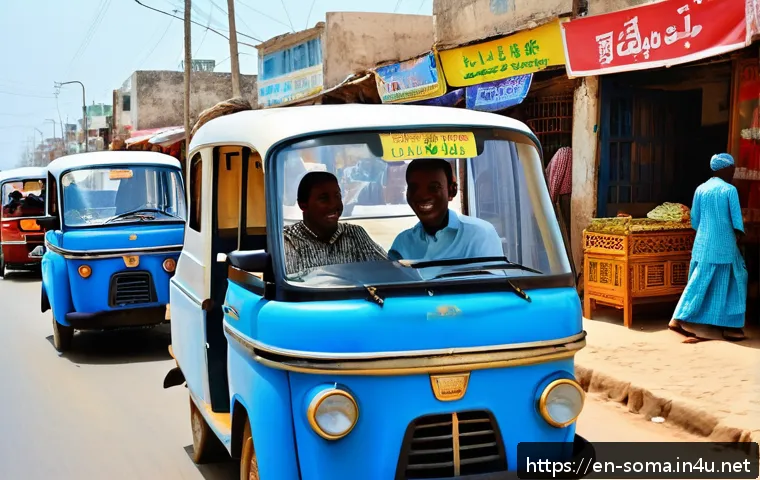
Getting around Mogadishu can feel like an adventure in itself. I often used “bajaj” (three-wheeled tuk-tuks) for short trips—they’re affordable and give you a close-up view of the city’s streets.
For longer distances, shared taxis are common, though it’s best to negotiate the fare beforehand. Public transportation isn’t highly organized, so relying on local advice or guides ensures a smoother ride.
Always keep small change handy and watch your belongings during busy commutes.
Hiring Private Drivers and Guides
For a more comfortable and secure experience, I opted for private drivers who knew the city well. They not only provided safe transportation but also shared valuable insights and recommended places off the typical tourist path.
Many drivers doubled as informal guides, making the journey both informative and relaxed. Booking through trusted contacts or reputable agencies is key to avoiding scams and ensuring peace of mind.
Important Safety Considerations
While Mogadishu is opening up, it’s important to stay alert about your surroundings when traveling. I found that avoiding travel after dark and steering clear of isolated areas minimized risks.
Always inform someone you trust about your itinerary, and keep emergency contacts handy. Using GPS apps helped me track routes and avoid getting lost.
Being cautious without succumbing to fear allowed me to enjoy the city’s charm with confidence.
Experiencing Mogadishu’s Nightlife and Entertainment
Where to Find Live Music and Cultural Shows
Mogadishu’s nightlife is intimate but rich with cultural expression. I was lucky to catch live performances featuring traditional Somali drums and poetry readings that captured the city’s soul.
Small cafes and hotels often host these events, offering a cozy atmosphere where locals and visitors mingle. Experiencing this side of Mogadishu gave me a deeper appreciation for the resilience and creativity of its people.
Enjoying Local Cuisine After Dark
Even after sunset, Mogadishu stays lively with street food vendors and small eateries serving delicious meals. I found that trying “bariis iskukaris” (spiced rice with meat) at a local night market was a highlight.
The casual setting encouraged me to strike up conversations with fellow diners, making the experience both tasty and social. Nighttime dining in Mogadishu feels like being part of a close-knit community celebrating everyday life.
Safety Tips for Nighttime Outings
Navigating Mogadishu at night requires extra care. I always arranged transportation in advance and stayed within familiar neighborhoods. Going out with trusted locals or groups enhanced my sense of security.
Avoiding flashy clothing and keeping valuables discreet also helped me blend in. Despite these precautions, the warmth and friendliness I encountered made nighttime outings a rewarding part of my journey.
Essential Practical Tips for a Smooth Visit
Currency, Money Handling, and Budgeting
The Somali shilling is the official currency, but US dollars are widely accepted and preferred for many transactions. I carried a mix of both, which made negotiating prices easier.
It’s best to use cash, as credit card acceptance is limited. When exchanging money, I found that doing so through trusted agents or banks ensured fair rates.
Budgeting around local prices for food, transport, and souvenirs helped me stretch my funds without sacrificing experiences.
Health Precautions and Medical Facilities
Before traveling, I updated my vaccinations and packed a basic first aid kit. Access to healthcare in Mogadishu can be limited, so having travel insurance was a must for me.
Drinking bottled water and eating freshly cooked food minimized the risk of illness. I also brought mosquito repellent due to occasional malaria risk.
Knowing the location of reliable clinics gave me peace of mind throughout my stay.
Communication and Connectivity
Mobile networks in Mogadishu are improving steadily, and purchasing a local SIM card was straightforward. I used it to stay connected with guides and check maps, which made exploring much easier.
Internet cafes and Wi-Fi spots are available in hotels and some cafes but can be inconsistent. Learning a few basic Somali phrases helped bridge communication gaps and made interactions more genuine.
Quick Reference Guide: Key Tips for Travelers in Mogadishu
| Category | Tip | Why It Matters |
|---|---|---|
| Safety | Travel during daylight, hire local guides, avoid isolated areas | Reduces risks and ensures smoother navigation |
| Culture | Dress modestly, greet respectfully, respect prayer times | Builds trust and shows respect to local customs |
| Transport | Use bajaj for short trips, hire private drivers for long distances | Offers affordability and safety |
| Money | Carry US dollars and Somali shillings, use cash mainly | Facilitates transactions in a cash-based economy |
| Health | Drink bottled water, carry basic meds, have travel insurance | Prevents illness and prepares for emergencies |
| Communication | Buy local SIM card, learn basic Somali phrases | Enhances connectivity and local engagement |
| Shopping | Haggle respectfully, dress modestly, ask before photographing | Improves market experience and relationships with vendors |
In Conclusion
Exploring Mogadishu reveals a city full of history, culture, and resilience. From its vibrant markets to welcoming neighborhoods, every corner offers a unique experience. By respecting local customs and staying mindful of safety, visitors can truly appreciate the warmth and spirit of Mogadishu. This city is not just a destination but a journey into the heart of Somali life.
Useful Information to Remember
1. Always prioritize your safety by traveling during daylight and using trusted guides to navigate the city.
2. Dressing modestly and respecting local customs will help you connect better with the community.
3. Use cash primarily, carrying both Somali shillings and US dollars for smooth transactions.
4. Try local transport like bajaj for short trips, but consider private drivers for longer journeys.
5. Learn basic Somali phrases and consider buying a local SIM card to enhance communication and convenience.
Key Takeaways for a Great Visit
Understanding and respecting Mogadishu’s culture and customs is essential for a positive experience. Always remain aware of your surroundings and plan your travels carefully to stay safe. Engage with locals warmly and patiently, and embrace the city’s rich history and dynamic present. Proper preparation, from health precautions to money handling, will ensure your visit is both enjoyable and hassle-free.
Frequently Asked Questions (FAQ) 📖
Q: Is Mogadishu safe for tourists to visit?
A: While Mogadishu has made significant progress in security over recent years, it’s important to stay updated on current conditions before traveling. Many visitors find that with proper precautions—such as traveling with a trusted guide, avoiding certain areas after dark, and respecting local advice—they can explore safely.
Personally, I felt most at ease when moving around during daylight and using local contacts to navigate. Always register with your embassy and keep emergency numbers handy.
Q: What cultural customs should visitors be aware of in Mogadishu?
A: Somali culture is deeply rooted in respect and hospitality. When visiting Mogadishu, it’s important to dress modestly—especially for women—and to greet people politely.
Handshakes are common, but avoid physical contact with the opposite sex unless invited. Sharing food or tea is a sign of friendship, so accepting offers graciously can build genuine connections.
I found that showing interest in local traditions and learning a few basic Somali phrases helped me earn respect and warm welcomes.
Q: What are some must-see places or experiences in Mogadishu?
A: Mogadishu offers a unique blend of history and vibrant daily life. The old port area and the National Museum provide fascinating glimpses into Somalia’s past.
Don’t miss wandering through the lively Bakara Market, where you can find everything from spices to handmade crafts. For a more relaxed experience, the coastal beaches offer stunning views and a chance to connect with locals.
During my visit, spending time at the Liido Beach café was a highlight—great food, friendly faces, and a laid-back vibe that truly captures the city’s spirit.