Hey there, fellow knowledge-seekers! If there’s one thing I’ve learned about staying truly informed, it’s that understanding a region’s media landscape is absolutely crucial, especially in a place as dynamic and rich in history as Somalia.
For so long, the vibrant oral traditions truly shaped how information moved, making radio an incredibly powerful force in daily life for countless Somalis.
But here’s where it gets even more fascinating: in our rapidly evolving digital world, Somalia’s media scene is undergoing some truly exciting shifts.
We’re seeing a consistent rise in online platforms and social media, creating new avenues for news and conversations, even while traditional outlets continue to adapt and thrive amidst unique challenges.
It’s a complex, vital ecosystem that reflects the very heartbeat of the nation, providing crucial windows into its culture, politics, and daily life. I’ve personally found digging into these topics incredibly enlightening, as it’s not just about headlines, but about the diverse stories and resilient voices that shape a nation’s future.
Want to get a clearer picture of who’s shaping the narrative and how? Let’s dive in deeper below to explore this fascinating world.
The Enduring Power of the Spoken Word and Radio Waves
You know, for generations, before the internet or even widespread newspapers really took hold, information in Somalia flowed through stories, poems, and direct conversation. It’s truly amazing to think about how deeply ingrained oral tradition is in the culture. People would gather, share news, debate, and pass down history through spoken narratives. This rich heritage laid a powerful foundation for how media would later develop. When radio arrived, it was a natural fit, amplifying those voices and reaching communities far and wide, even where literacy rates might have been lower. I remember hearing stories from elders about how eagerly everyone would huddle around a radio, the static-filled broadcasts bringing the world into their homes. It wasn’t just news; it was connection, entertainment, and a vital link to their shared identity. Even today, radio remains a titan in the Somali media landscape, especially in rural areas. It’s accessible, affordable, and incredibly effective at cutting through other forms of noise. Stations like Radio Mogadishu, established decades ago, still hold significant sway, offering a mix of news, cultural programs, and public service announcements. It truly feels like the heartbeat of information for so many, a testament to its staying power even in a rapidly digitizing world.
Community Airwaves: Local Voices and Global Connections
What I find particularly compelling about radio in Somalia is its ability to foster local community engagement while also connecting people to the broader Somali diaspora and international news. Beyond the national broadcasters, countless smaller, local radio stations operate, often serving specific towns or regions. These stations are incredible platforms for local issues, traditional music, educational programs, and even conflict resolution efforts. They provide a sense of ownership and belonging that more centralized media sometimes struggle to achieve. I’ve personally witnessed how a local radio program can mobilize an entire community for a clean-up drive or disseminate critical health information during a crisis. And let’s not forget the role of international broadcasters like the BBC Somali Service or Voice of America, which have been crucial for decades, offering objective news and analysis from outside perspectives, often filling gaps where local reporting might be constrained. It’s this blend of hyper-local relevance and global outreach that makes Somali radio such a fascinating and resilient medium.
From Storytelling to Sound Bites: Adapting to Modernity
While the essence of radio’s appeal remains, I’ve noticed a fascinating evolution in how it operates. Many traditional radio outlets are now embracing digital platforms, streaming their broadcasts online, and even creating podcasts. This allows them to reach younger, tech-savvy audiences who might not tune into a traditional radio set, but spend their time on smartphones. It’s a smart move, really, bridging the old with the new. They’re still telling stories, but now those stories can travel further, be replayed, and even be shared instantly across social media. This adaptation ensures that the powerful legacy of Somali oral tradition, channeled through radio, continues to thrive and resonate with new generations, evolving without losing its soul. It’s a beautiful demonstration of resilience and innovation in the face of rapid technological change, something I truly admire.
The Digital Tidal Wave: Online Platforms Reshaping the Narrative
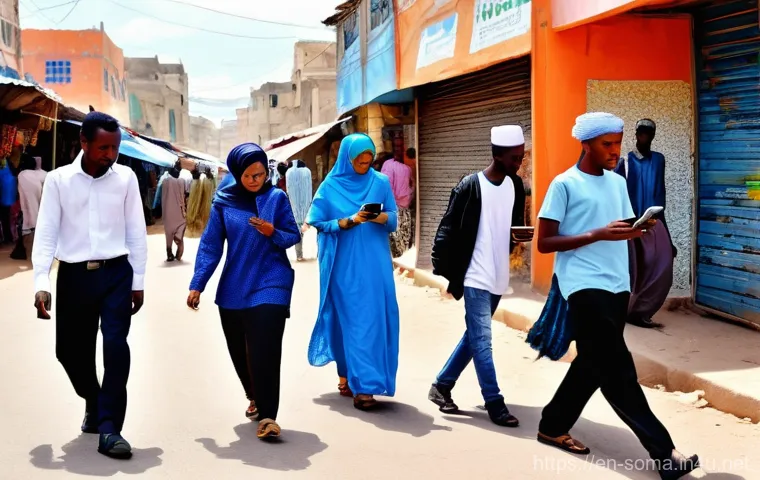
Walking through Mogadishu or Hargeisa these days, you can’t help but notice the prevalence of smartphones. It’s a significant shift from even a decade ago, and it’s completely transforming how information is consumed and shared. The internet, though still facing infrastructure challenges and varying accessibility, has undeniably unleashed a digital tidal wave across Somalia. This isn’t just about entertainment; it’s about access to news, diverse perspectives, and a platform for voices that might have been unheard before. I’ve personally seen how a breaking news story can spread like wildfire across Facebook and WhatsApp groups, often faster than traditional media can report it. This immediacy is a double-edged sword, of course, but it’s undeniably powerful. The rise of dedicated Somali news websites and blogs has also been a game-changer, offering written content that dives deeper than broadcast news can often allow, and providing archives that are easily searchable. It feels like a whole new public sphere is being built, one pixel at a time.
Social Media: The New Town Square and News Feed
If you want to understand the pulse of public opinion in Somalia today, you absolutely have to look at social media. Facebook, Twitter (now X, of course), and WhatsApp are not just platforms for connecting with friends; they are vital news sources, political debate arenas, and incredibly potent tools for citizen journalism. I’ve been fascinated watching how individuals, often with nothing more than a smartphone, can report on events unfolding in real-time, sometimes even before established media houses arrive. This decentralization of news creation is exhilarating but also, frankly, a bit chaotic. It means there’s an incredible diversity of voices, but also a constant battle against misinformation and rumors. For media organizations, social media has become essential for distributing their content, engaging with their audience, and staying relevant. It’s a dynamic, often unfiltered, and incredibly influential space where narratives are shaped and reshaped constantly.
Online Journalism: Breaking Barriers and Building Bridges
Beyond the personal feeds and viral posts, the growth of professional online journalism in Somalia is truly inspiring. We’re seeing more and more dedicated news portals emerging, some founded by diaspora journalists bringing international standards, and others homegrown initiatives. These platforms are often more agile and less constrained by traditional media’s operational costs or political pressures, though they face their own unique challenges. What’s exciting to me is their potential to offer in-depth analysis, investigative reporting, and a broader range of topics than might be covered on mainstream radio or TV. They are crucial for reaching a younger, more educated demographic that is actively seeking out diverse information. I’ve observed firsthand how these online outlets can highlight niche issues or give a voice to marginalized communities, creating a more inclusive and representative media landscape overall. It’s a tough grind for many, but the impact is undeniable.
Journalists on the Frontline: Navigating Risks and Rewards
Being a journalist anywhere can be challenging, but in Somalia, it often comes with extraordinary risks. I’ve heard heartbreaking stories and witnessed the incredible resilience of journalists who continue to report despite constant threats, kidnappings, and even assassinations. It’s a stark reminder that reporting the truth in certain environments is an act of immense bravery. This isn’t just about physical safety; it’s also about navigating complex political landscapes, clan dynamics, and the constant pressure from various actors who might not want certain stories told. My heart goes out to those who dedicate their lives to this vital work under such difficult circumstances. Despite these dangers, the passion for journalism and the commitment to informing the public remain incredibly strong, which I find truly admirable. They are the eyes and ears of the nation, and their contributions are invaluable.
The Steep Price of Seeking Truth and Transparency
It’s no secret that Somalia has consistently been ranked as one of the most dangerous places in the world for journalists. This grim reality casts a long shadow over the entire media ecosystem. Self-censorship, unfortunately, becomes a survival mechanism for many, meaning certain critical stories may never see the light of day. This isn’t because journalists don’t want to report them, but because the personal cost can be too high. Beyond direct violence, journalists also face arbitrary arrests, harassment, and legal challenges. This creates an environment where true investigative journalism, which is so crucial for accountability, is incredibly difficult to pursue. From my perspective, supporting and protecting these brave individuals is paramount for the health of Somali society. They are literally putting their lives on the line for the public’s right to know.
Building Capacity: Training, Tools, and Technology
Despite the immense challenges, there’s a concerted effort from both local and international organizations to bolster the capacity of Somali journalists. This includes providing vital safety training, which is sadly a necessity, as well as journalistic ethics, digital reporting skills, and technical equipment. I’ve seen training programs that empower young reporters with the tools they need to navigate the digital landscape safely and effectively, teaching them everything from verifying information to using encryption. It’s about giving them the resources to tell their stories professionally and to protect themselves in the process. These initiatives are not just about individual skill development; they are about strengthening the entire media sector, fostering a culture of professional journalism, and ultimately contributing to a more informed and resilient society. It’s a slow but vital process of empowerment.
Voices from Afar: The Diaspora’s Enduring Media Influence
It’s fascinating to consider how the vast Somali diaspora, spread across continents from North America to Europe and the Middle East, continues to play a pivotal role in the nation’s media landscape. This isn’t just about sending remittances; it’s about providing alternative narratives, diverse perspectives, and sometimes, much-needed financial and technical support for media initiatives back home. Many prominent Somali news websites, radio stations, and even television channels were initially founded or are heavily supported by Somalis living abroad. I’ve personally followed several online platforms that originated in places like Minnesota or London, yet they offer invaluable insights and news coverage directly relevant to those living in Mogadishu or Garowe. This connection is a powerful testament to the unbreakable bond the diaspora feels with their homeland, and their ongoing commitment to its development and progress.
Bridging Gaps: Alternative News and Critical Perspectives
One of the most significant contributions of diaspora media is its ability to offer perspectives that might be challenging to find within Somalia itself. Living in different political and social environments, diaspora journalists and media outlets often have the freedom to report on sensitive issues with a degree of objectivity or critical analysis that might be difficult for those operating on the ground. This creates a vital space for debate and ensures that a wider range of viewpoints is accessible. I’ve noticed how often diaspora-led media will break stories or conduct investigative pieces that push the boundaries, prompting discussion and accountability. It’s not always a comfortable mirror, but it’s often a necessary one, reflecting different facets of truth and experience back to the nation. This interplay between local and diaspora media creates a richer, more robust informational ecosystem.
Funding and Fostering Growth: A Lifeline for Local Media
Beyond content, the diaspora also plays a crucial role in the financial sustainability and technical advancement of Somali media. Many fledgling news outlets, independent journalists, and online platforms rely on support from the diaspora for equipment, training, and even operational costs. This can take the form of direct funding, crowdfunding campaigns, or skilled volunteers offering their expertise remotely. I’ve been impressed by how many young Somali journalists in the homeland find mentorship and guidance from their counterparts abroad. It’s a symbiotic relationship where resources, knowledge, and passion flow across borders, nurturing the growth of a more independent and professional media sector. This external lifeline can be absolutely critical in an environment where local funding sources might be limited or fraught with political influence, helping to maintain a degree of editorial independence.
The Business of News: Economic Realities and Sustainable Models
Just like any industry, media in Somalia needs to be sustainable to thrive, and this is where things get really interesting – and often quite challenging. The economic realities of running a news organization in a developing context, often with limited advertising markets and significant security costs, are formidable. It’s not just about getting the news out; it’s about paying salaries, maintaining equipment, and investing in training. I’ve spoken with media owners who describe the constant balancing act of maintaining journalistic integrity while also trying to keep the lights on. It’s a tough environment, and finding viable business models is absolutely crucial for the long-term health and independence of the Somali press. This isn’t a unique challenge to Somalia, but the specific context amplifies every difficulty, demanding incredible ingenuity and resilience.
Advertising, Subscriptions, and the Search for Revenue
Traditional advertising revenue, the bread and butter for many media outlets globally, is often nascent or inconsistent in Somalia. Large corporate advertisers are fewer, and political affiliations can sometimes influence where ad spend goes. This forces media houses to be incredibly creative. Some are experimenting with digital subscriptions, particularly for premium content or in-depth analysis, hoping to tap into the diaspora audience who might be willing to pay for quality reporting. Others rely heavily on grants from international organizations or NGOs, which can be a double-edged sword, as it can sometimes create perceptions of bias. I personally believe that diversifying revenue streams is key – perhaps combining small local ad revenue with community donations, diaspora support, and innovative digital products. It’s a complex puzzle, but solving it is essential for fostering true editorial independence.
Innovation in Funding: Community Support and Digital Patronage
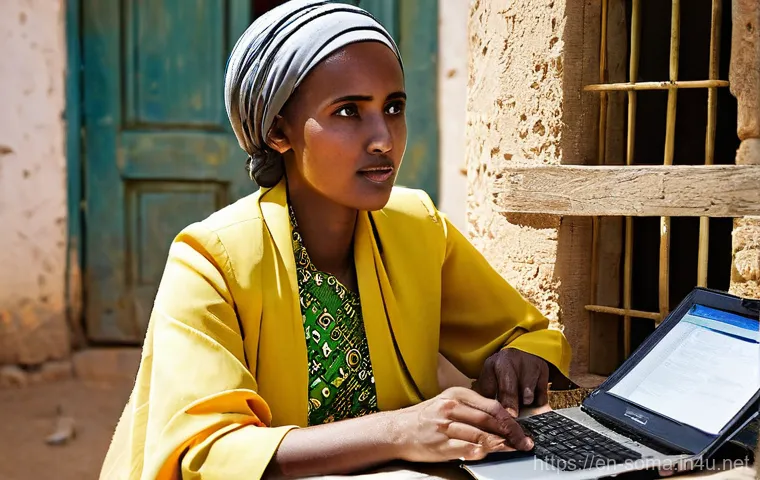
What I find truly hopeful are the emerging innovative approaches to funding. We’re seeing more community-based models where local audiences contribute small amounts to support their favorite radio stations or online news sites. This creates a strong sense of ownership and accountability. Digital patronage, similar to platforms we see globally like Patreon, is also gaining traction, allowing individuals to directly support specific journalists or investigative projects. This direct connection between content creators and their audience can be incredibly empowering and helps bypass traditional gatekeepers. I’ve also observed some media organizations successfully leveraging social media for fundraising during specific campaigns or for urgent operational needs. These grassroots efforts, while perhaps not generating massive profits, are building a foundation for more resilient and audience-driven media, which is something I’m genuinely excited to watch unfold.
Fact-Checking and Fighting Disinformation in the Digital Age
In our hyper-connected world, the rapid spread of information is incredible, but it also brings a significant challenge: disinformation. This is particularly acute in places like Somalia, where political sensitivities are high, and access to verifiable sources can be limited for many. I’ve personally encountered countless instances where rumors or outright falsehoods have spread like wildfire on social media, sometimes with serious real-world consequences. It’s truly alarming how quickly a distorted narrative can take hold, making the work of fact-checkers and responsible journalists more critical than ever. This isn’t just about correcting errors; it’s about safeguarding public discourse and preventing manipulation, which is a monumental task when every smartphone can be a publishing platform.
The Rise of Fact-Checking Initiatives and Media Literacy
Amidst the deluge of information, I’ve been heartened to see dedicated efforts to combat disinformation. Several Somali organizations and individual journalists are now actively engaged in fact-checking initiatives, diligently verifying claims, debunking myths, and highlighting false narratives. These efforts are crucial, and they often involve collaborating with international partners to leverage best practices and tools. But it’s not just about correcting the record; it’s also about empowering the public. Media literacy programs, teaching people how to critically evaluate sources, identify bias, and understand the difference between news and opinion, are absolutely vital. I truly believe that equipping citizens with these skills is just as important as the journalism itself. It’s about creating an informed populace that can discern truth from fiction, a cornerstone of any healthy democracy.
Community Engagement: A Collective Shield Against Falsehoods
The fight against disinformation isn’t something media organizations can win alone; it requires community-wide engagement. I’ve observed how local community leaders, religious figures, and educators can play a pivotal role in amplifying accurate information and pushing back against rumors. Social media groups, when managed responsibly, can also become spaces for collective verification, where members challenge questionable content and share reliable sources. It’s a grassroots effort that builds a collective shield against falsehoods. While the challenges of disinformation are immense and constantly evolving, the resilience and dedication of those working to ensure factual accuracy in Somalia’s media landscape gives me a great deal of hope. It truly feels like a collective endeavor to protect the integrity of information itself.
The Evolution Continues: Future Trends in Somali Media
As I look ahead, I can’t help but feel a sense of excitement mixed with caution about the future of media in Somalia. The landscape is incredibly dynamic, constantly adapting to technological advancements, shifting demographics, and evolving political realities. It’s clear that the digital transformation is only going to accelerate, bringing both incredible opportunities and new challenges. What was once a media environment largely shaped by traditional radio is now a vibrant, if sometimes chaotic, mix of platforms and voices. Predicting the future is always tricky, but based on what I’ve observed, certain trends seem to be emerging as key drivers of change. I genuinely believe that understanding these shifts is crucial for anyone interested in the region, or even just in the broader evolution of media in developing nations. It’s a fascinating case study in progress.
The Ascendance of Mobile-First Content and Hyper-Local Focus
If there’s one thing I’m certain of, it’s that mobile will continue to dominate. For the vast majority of Somalis, their smartphone *is* their internet, their news source, and their primary communication tool. This means media organizations must prioritize mobile-first content strategies: easily digestible formats, engaging videos, and apps that are optimized for lower bandwidths. The future of news delivery will be in the palm of people’s hands. Alongside this, I anticipate a continued surge in hyper-local content. While national and international news remains important, people are deeply invested in what’s happening in their immediate communities. Online platforms and local radio stations that can deliver timely, relevant news specific to a village or district will likely see increasing engagement. It’s about personalizing the news experience and making it incredibly relevant to daily life.
Emerging Technologies: Podcasting, Video, and Interactive Media
Beyond traditional text and audio, I’m seeing a growing appetite for more immersive and interactive media. Podcasting, for instance, offers a fantastic avenue for in-depth discussions, storytelling, and educational content that goes beyond the brief news cycle. Video content, especially short-form video optimized for social media, is also exploding in popularity, driven by platforms like TikTok and Instagram. This presents a huge opportunity for journalists and content creators to engage younger audiences with compelling visual narratives. Imagine documentary-style pieces, citizen reports with visual evidence, or even interactive infographics explaining complex issues. The potential to use these technologies to make news more engaging, accessible, and understandable, even for those with lower literacy levels, is truly immense. I’m excited to see how Somali creatives will innovate in these spaces, pushing the boundaries of traditional journalism.
To give you a clearer snapshot of some prominent players and their primary platforms, I’ve put together a quick table:
| Media Outlet | Primary Platform(s) | Focus/Notable Feature |
|---|---|---|
| Radio Mogadishu | FM Radio, Online Streaming | State-owned, national news, cultural programs |
| Goobjoog Media Group | Radio, TV, Online News Portal | Independent, news, current affairs, diaspora reach |
| Shabelle Media Network | Radio, Online News Portal | Independent, news and current events, often critical reporting |
| Hiiraan Online | Online News Portal | Diaspora-founded, comprehensive news, analysis, community forum |
| Somaliland National TV (SLNTV) | TV, Online Streaming | Somaliland’s state broadcaster, news, regional focus |
| Voice of America (VOA) Somali | Radio, Online News Portal | International broadcaster, objective news, global perspective |
Building Trust: The Unsung Hero of Media Development
Ultimately, all the fancy technology and innovative platforms won’t matter much if the audience doesn’t trust the information they’re receiving. In Somalia, where historical conflicts and political fragmentation have often led to partisan media, building and maintaining public trust is perhaps the most crucial, yet often unsung, aspect of media development. I’ve personally seen how quickly trust can erode when media is perceived as biased or serving a particular agenda, and how incredibly difficult it is to rebuild once lost. This isn’t just an ethical imperative; it’s a practical necessity for any media outlet that hopes to have a lasting impact and relevance. Without trust, media simply becomes noise, rather than a vital source of information and a cornerstone of public discourse. It’s a continuous, arduous journey, but one that is absolutely fundamental for the health of society.
Adhering to Ethical Standards and Professionalism
For me, the bedrock of trust in journalism lies in unwavering adherence to ethical standards. This means striving for accuracy, fairness, impartiality, and accountability in reporting. It means clearly distinguishing between fact and opinion, correcting errors promptly, and giving a voice to all sides of a story. In a complex environment like Somalia, where various political and clan interests are at play, maintaining this kind of journalistic integrity is incredibly challenging, but also incredibly important. I truly believe that media organizations that prioritize these professional ethics, even when it’s difficult, will ultimately earn the respect and loyalty of their audience. It’s about demonstrating, through consistent practice, that their primary allegiance is to the truth and to the public’s right to know, rather than to any specific group or agenda.
Transparency and Engagement: Connecting with the Audience
Beyond internal ethics, I think transparency and active audience engagement are also key to building trust. This means being open about funding sources, editorial policies, and even the challenges journalists face. When media outlets are transparent, they invite their audience into a partnership, rather than just delivering information passively. Engaging with the audience through feedback mechanisms, Q&A sessions, or community forums can also be transformative. It shows that the media values its readers, listeners, and viewers, and that it’s responsive to their concerns. I’ve observed that when media organizations actively listen to their communities, they not only build trust but also gain invaluable insights that can make their reporting even more relevant and impactful. It’s a two-way street, and when done right, it creates a powerful bond that strengthens the entire media ecosystem.
글을 마치며
Whew! What a journey we’ve taken through the vibrant, complex, and incredibly resilient media landscape of Somalia. It’s truly a testament to the human spirit of communication and storytelling, isn’t it? From the deep roots of oral tradition and the enduring power of radio waves to the electrifying surge of digital platforms and social media, it’s clear that the way information flows in Somalia is constantly evolving. Understanding this intricate dance between the old and the new, the local and the global, offers us such a crucial window into the nation’s heart and its future. I genuinely hope this deep dive has given you a richer, more nuanced appreciation for the dedicated journalists, the innovative platforms, and the engaged communities that make up this vital ecosystem. It’s a powerful reminder that every voice, every story, contributes to the grand narrative.
알아두면 쓸모 있는 정보
1. Radio is Still King, Especially Locally: Even with the rise of the internet, don’t underestimate the enduring power of radio in Somalia. For many, particularly outside major urban centers, it’s the most accessible and trusted source of news, cultural programs, and vital public service announcements. Tuning into local stations can give you an unfiltered pulse of community life.
2. Mobile Phones Are the Gateway: For the vast majority of Somalis accessing the internet, their smartphone isn’t just a device; it’s *the* internet. Content optimized for mobile, often short-form video and easily digestible news snippets, is key. If you’re looking for online engagement, think mobile-first.
3. Social Media is a Double-Edged Sword: Platforms like Facebook and WhatsApp are crucial for news dissemination and public discourse. However, they’re also hotbeds for rumors and disinformation. Always cross-reference information from social media with established news outlets to ensure accuracy. Critical thinking is your best friend here!
4. The Diaspora’s Influence is Massive: The Somali diaspora, spread across the globe, plays an incredibly significant role. They often fund and operate key online news portals and provide alternative perspectives that complement local reporting. Many reliable news sources have strong ties to diaspora communities, so keep an eye out for their contributions.
5. Journalists are Heroes: Reporting in Somalia often comes with immense personal risk. The journalists on the ground, both established and citizen reporters, show incredible bravery and dedication. Supporting initiatives that bolster media safety and capacity-building is crucial for fostering a robust and independent press.
중요 사항 정리
Navigating Somalia’s media landscape reveals a fascinating tapestry woven from strong oral traditions, a dominant radio presence, and the rapid embrace of digital platforms. It’s a dynamic environment where traditional outlets continuously adapt, and online spaces, particularly social media, have become pivotal for news and public debate. However, this progress is met with significant challenges, including severe risks to journalist safety, the pervasive issue of disinformation, and the ongoing struggle to establish sustainable economic models for media organizations. Despite these hurdles, the resilience of Somali journalists, the influential support from the diaspora, and the growing focus on media literacy initiatives offer immense hope. Ultimately, building and maintaining public trust through ethical reporting, transparency, and deep community engagement remains the cornerstone for a truly informed and empowered Somali society. It’s an ecosystem in constant evolution, reflecting the very heartbeat and aspirations of the nation.
Frequently Asked Questions (FAQ) 📖
Q: What are the primary forms of media that Somalis rely on today, and how has this dynamic landscape been evolving?
A: Oh, this is such a fascinating question because Somalia’s media scene is a real tapestry of old and new! For the longest time, and even now, radio has been the absolute heartbeat of communication here.
It’s incredibly powerful, reaching even the most remote areas, especially since oral traditions are so strong and literacy rates can be a challenge. I’ve personally heard countless stories about how vital local radio stations are for everything from news to community announcements.
There are literally dozens of radio stations across the country, constantly broadcasting, making them the most trusted and widespread medium. However, if you’ve been following the digital revolution like I have, you won’t be surprised to hear that things are changing rapidly!
We’re seeing a really exciting surge in internet usage, especially on mobile phones. This shift means online platforms and social media are absolutely booming, particularly among the youth and the vibrant Somali diaspora around the world.
Platforms like Facebook, Twitter, YouTube, TikTok, Instagram, and WhatsApp aren’t just for chatting anymore; they’ve become major sources for news, entertainment, and even entrepreneurial ventures.
While traditional TV and print media exist, they tend to be more concentrated in urban centers and haven’t quite reached the same widespread influence as radio or, increasingly, digital platforms.
It’s truly a dynamic mix, with digital channels constantly gaining ground and reshaping how Somalis connect and stay informed.
Q: Given Somalia’s complex history, what are some of the biggest hurdles that journalists and media outlets encounter on the ground?
A: As someone who champions the power of a free press, delving into the challenges faced by Somali journalists truly hits home. Honestly, it’s heartbreaking to see that Somalia consistently ranks as one of the most perilous places in the world to be a media professional.
The bravery it takes to report there is immense. Journalists constantly face threats, harassment, and even physical violence from a spectrum of actors, including government entities, security forces, and militant groups like Al-Shabaab.
I’ve read reports detailing alarming numbers of arbitrary detentions, and the legal framework itself can be a minefield with vaguely worded laws that stifle free reporting and lead to self-censorship.
Beyond the immediate dangers, there are also significant structural issues. Financial instability plagues many media outlets, meaning journalists often work with low wages, which can, unfortunately, make them vulnerable and sometimes compromise the quality or independence of their reporting.
And let’s not forget the specific challenges faced by women journalists, who, in addition to all of the above, often contend with cultural barriers, workplace disparities, and even gender-based violence.
It’s a tough environment where getting to the truth, and then sharing it, can truly be a matter of life and death, and the lack of accountability for crimes against journalists only makes things worse.
Q: How is the explosion of social media truly impacting daily life and the flow of information for Somalis, especially considering its dual role?
A: Oh, social media! It’s such a double-edged sword, isn’t it? In Somalia, I’ve seen firsthand how platforms like TikTok, Facebook, and WhatsApp have absolutely revolutionized daily life and information sharing.
For many young Somalis and those in the diaspora, it’s a lifeline, a way to connect with family, express themselves, and even build businesses. I mean, imagine being able to share your stories, showcase your talents, or even engage in civic discussions, all from your mobile phone!
It’s a powerful tool for empowerment, particularly for young women who are finding new spaces for leadership and entrepreneurship through digital channels.
It’s also allowed Somalis to reclaim their narrative, pushing back against external portrayals and telling their own stories to the world. But here’s the rub, and it’s a significant one: this incredible connectivity also brings serious risks.
As much as it can connect and empower, social media in Somalia has also become a breeding ground for misinformation, clan polarization, and political incitement.
I’ve heard many concerns about how online narratives can fuel inter-clan conflicts, with some influencers, particularly from the diaspora, inadvertently or deliberately fanning tensions.
So, while it offers unparalleled opportunities for communication and peacebuilding when used constructively, it also demands immense digital literacy and responsible engagement to navigate its potential for harm and division.
It’s a constant tightrope walk, but one that’s defining the modern Somali experience.