When you think of Somalia, what’s the first thing that springs to mind? For many, it might be the headlines, but I’m here to share something truly extraordinary and often overlooked: the nation’s absolutely incredible marine resources.
Imagine miles upon miles of Africa’s longest coastline, boasting pristine waters teeming with diverse marine life, rich fishing grounds, and even promising offshore energy and mineral deposits.
It’s not just a story of natural beauty, but one of immense, untapped potential that could profoundly shape the future and economy of the region, driving sustainable development and creating opportunities for countless people.
This vast oceanic treasure chest holds secrets and opportunities waiting to be explored, promising a future far brighter than many might assume. So, if you’re curious about an emerging frontier of incredible natural wealth, stick around!
We’re about to explore this fascinating topic in detail.
Unveiling Africa’s Coastal Jewel: More Than Meets the Eye
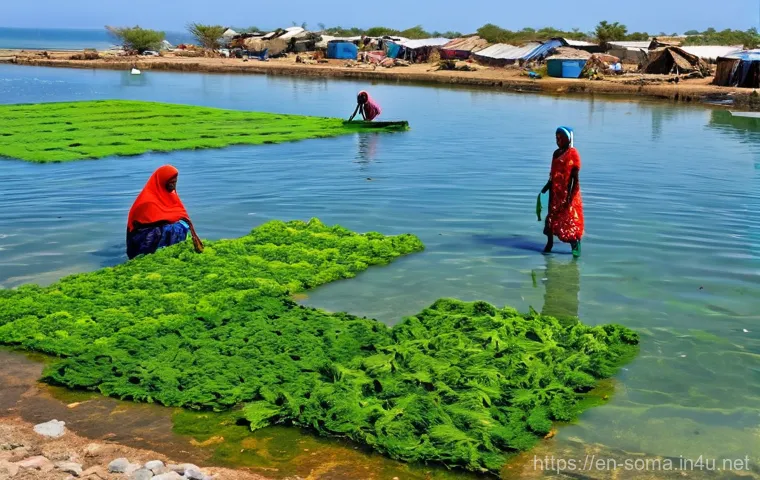
You know, it’s funny how often our perceptions are shaped by headlines. When you think of Somalia, your mind might jump straight to the past, but let me tell you, there’s a truly breathtaking and often-overlooked story simmering beneath the surface: the nation’s absolutely incredible marine resources. I’ve been diving into this topic, and what I’ve found has completely shifted my perspective. Imagine miles upon miles of Africa’s longest coastline, stretching for over 3,300 kilometers along the Gulf of Aden to the north and the Indian Ocean to the east and south, a truly astounding expanse of ocean. These aren’t just any waters; they’re pristine, teeming with diverse marine life, and hold a significance that extends far beyond just pretty views. This vast oceanic treasure chest is part of what’s known as the “Somali Current Large Marine Ecosystem,” a global hotspot for biodiversity. It’s not just a story of natural beauty, but one of immense, untapped potential that could profoundly shape the future and economy of the region, driving sustainable development and creating opportunities for countless people. Honestly, it feels like discovering a hidden garden, full of life and promise, waiting for the right moment to flourish.
Africa’s Undiscovered Coastal Giant
When you look at a map, Somalia’s strategic position really pops out. It’s right there at the crossroads, bordering the Gulf of Aden and the Indian Ocean, making it a critical hub for maritime routes connecting Africa to the Arabian Peninsula and the Indian subcontinent. I mean, talk about prime real estate! This isn’t just a geographical quirk; it’s a foundational element of its marine wealth. This enormous coastline, the longest on mainland Africa, isn’t uniformly sandy beaches either. You’ll find a mix of rugged cliffs, lush coastal plains, and secluded islands, each adding to the unique character of this marine frontier. It’s truly a place where history and nature intertwine, with its ports having served as important centers of commerce for centuries, trading frankincense, spices, and ivory in ancient times. The sheer scale and untouched nature of this coastline are what truly capture your imagination; it’s like stepping back in time to an era where the ocean’s bounty was limitless, a feeling you rarely get in today’s world.
A Living, Breathing Ocean Ecosystem
What I find truly incredible is the biodiversity that thrives in these waters. The “Somali Current Large Marine Ecosystem” is not just a fancy name; it signifies a region of remarkable ecological importance. We’re talking about a vibrant underwater world boasting 63 species of corals near the Bajuni archipelago, creating stunning reef systems that are nurseries for countless fish. And it’s not just stationary life; these waters are frequented by small cetaceans, including common, spinner, spotted, humpback, and bottlenose dolphins, as well as a variety of sea turtles like loggerhead, hawksbill, olive ridley, leatherback, and green turtles. When you imagine these creatures thriving in their natural habitat, it really hits home how precious and vital this ecosystem is. It’s a delicate balance, a symphony of life that has sustained coastal communities for generations, and its health is directly tied to the future prosperity of the nation. I genuinely feel a sense of awe thinking about it.
A Deep Dive into Untapped Fishing Riches
If there’s one aspect of Somalia’s marine resources that makes my eyes light up, it’s the sheer, incredible potential of its fisheries. Honestly, it’s mind-boggling how much wealth is swimming beneath the surface, largely untouched. Experts are talking about vast, underexploited fish stocks that could be a game-changer for the nation. We’re not just talking about a few fish here and there; we’re talking about major species like tuna – yellowfin tuna, especially, which fetches premium prices in markets as far away as Japan and the United States – along with lobsters, snappers, groupers, sardines, and squid, all thriving in these productive waters. It’s estimated that if properly managed, Somalia could sustainably harvest well over 200,000 to even 500,000 metric tons of fish annually. Compare that to the paltry 6,000 metric tons caught by local artisanal fishers in 2022, and you realize the immense gap between current reality and future possibility. This isn’t just about food; it’s about a massive economic engine waiting to be ignited, creating jobs and boosting livelihoods across coastal communities.
The Ocean’s Pantry: A Feast for the Future
What makes Somalia’s waters so incredibly productive? A huge part of it is the unique oceanographic conditions, particularly the seasonal upwelling systems. For those not in the know, upwelling is when cold, nutrient-rich water from the deep ocean rises to the surface, essentially creating a massive, natural fertilizer for marine life. This phenomenon supports an incredible variety of pelagic and demersal species, making these some of the world’s most productive fishing grounds. I mean, it’s like nature’s own super-farm! Beyond the sheer volume, there’s a growing global demand for high-quality seafood, and Somalia’s unpolluted seas offer a distinct advantage. Imagine “eco-certified” Somali seafood hitting international markets – that’s a premium product right there, appealing to conscious consumers in Europe, East Asia, and beyond. With the right investment in sustainable practices and infrastructure, Somalia could easily become a significant player in the global seafood trade, turning this bountiful resource into lasting prosperity.
Challenges on the Hook: Modernizing the Catch
Despite this incredible potential, the fishing sector faces significant hurdles. I’ve heard countless stories from local fishers about the struggle. One of the biggest issues is the prevalence of illegal, unreported, and unregulated (IUU) fishing by foreign vessels, essentially stealing Somalia’s resources right from under its nose. This not only depletes fish stocks but also robs the nation of hundreds of millions of dollars in potential revenue. Then there’s the dire lack of modern infrastructure. We’re talking about insufficient cold storage facilities, leading to an estimated 30-40% loss of catches post-harvest. Poor roads and port infrastructure drive up transportation costs, and outdated fishing equipment limits catch volumes. It’s like trying to run a marathon with rusty old shoes. Addressing these challenges through targeted investments in training, equipment, and processing facilities is absolutely crucial. We need to empower local communities, equip them with the right tools, and protect their waters so they can truly benefit from this amazing natural gift. It’s a fundamental step towards long-term food security and economic stability.
Beneath the Waves: The Promise of Hydrocarbon Wealth
Alright, let’s talk about something that really gets the global energy sector buzzing: Somalia’s offshore oil and gas potential. For years, this has been whispered about in geological circles, and now, it’s becoming a much louder conversation. From what I’ve gathered, geo-seismic studies have painted a picture of an immense “frontier basin” beneath Somalia’s waters, largely unexplored but holding incredible promise. We’re talking about estimates that suggest Somalia could be sitting on at least 30 billion barrels of oil and gas reserves. Just wrapping your head around that number is astounding; it’s a level of potential that could transform the country’s economic landscape entirely. This isn’t just about future possibilities anymore; it’s about active exploration, and frankly, the early results are looking incredibly exciting.
Unlocking a Geologic Goldmine
What truly grabs my attention are the recent developments in offshore exploration. It’s not just speculation anymore; companies are actively involved. For instance, the Turkish-led surveys have been a game-changer. Preliminary findings from these explorations indicate that at least two of the three exploratory wells might hold commercially viable natural gas deposits. Imagine that! Early estimates are even suggesting the possibility of up to 10 billion barrels of natural gas *per well*. Over 90% of the data collected so far points towards significant gas reserves. This isn’t just a discovery; it’s a monumental step. The completion of the first phase of seismic surveys by Turkish Petroleum Corporation (TPAO) in June 2025 gathered critical geological data along Somalia’s coastline over 234 days. This partnership is a testament to the growing confidence in Somalia’s untapped energy resources and highlights a genuine shift towards unlocking this potential. It’s a truly exciting time, offering a glimpse into a future where Somalia could become a significant energy producer.
From Potential to Prosperity: The Economic Impact
If these preliminary projections hold true, the implications for Somalia are nothing short of transformational. Richard Anderson, CEO of Coastline Exploration, put it perfectly when he described the offshore opportunity as “world-class,” emphasizing its size, which is larger than the entire North Sea and completely unexplored. He believes that finding and producing oil and gas from these gigantic offshore structures “will be transformational for the country” and will have “socio-economic benefits that’ll go on for decades.” I can only imagine the impact: massive revenue generation, substantial foreign investment, and the creation of countless jobs, both directly in the energy sector and indirectly through supporting industries. The Somali government has been proactive, too, passing a petroleum law in 2020 and establishing the Somali Petroleum Authority to regulate the industry and guide deals. This structured approach, along with profit-sharing agreements, aims to ensure that these resources truly benefit Somalia and its regions. It’s a long road from exploration to production, but the initial steps are incredibly promising, pointing towards a future of unprecedented economic growth and stability.
Building a Vibrant Blue Economy: More Than Just Extraction
When I think about the future of Somalia’s marine resources, it’s not just about what we can take out of the ocean, but how we can sustainably grow with it. This brings us to the exciting concept of the “Blue Economy.” It’s a term that really resonates with me because it’s all about the sustainable use of ocean resources to promote economic growth, environmental health, and social inclusion. The Somali government has truly embraced this vision, proposing an ambitious plan to grow its blue economy, recognizing it as a significant future engine for prosperity. It’s a holistic approach that looks beyond just fishing and energy, encompassing everything from aquaculture to tourism, shipping, and even marine biotechnology. This multifaceted strategy is designed to build a resilient and diverse economy that leverages its unique coastal assets for long-term benefit.
Diverse Opportunities on the Horizon
The scope of Somalia’s blue economy is truly impressive. Beyond traditional fishing, the aquaculture sector holds immense, largely untapped potential. Imagine coastal regions supporting thriving shrimp and sea cucumber farms, or inland areas developing tilapia and catfish hatcheries. Even seaweed farming is a promising venture, with applications in food, cosmetics, and biofuels. These initiatives not only diversify economic activity but also provide sustainable food sources and job opportunities. And let’s not forget tourism! While still underdeveloped, Somalia’s beautiful coastline, with its pristine beaches and rich history, has the potential to attract significant investment in the hospitality sector once stability solidifies. For me, it’s about showcasing the beauty and culture, not just the resources. Furthermore, Somalia’s strategic location, with its five operational major ports, positions it as a vital hub for shipping and logistics. International shipping lines like MSC and Maersk already operate here, and with continued investment in port facilities and improved maritime laws, Somalia could easily become a crucial player in global trade. It’s about connecting the dots and realizing the full spectrum of opportunities.
Government Vision and International Partnerships
The commitment from the Somali government to develop its blue economy is genuinely encouraging. They are actively working on a National Blue Economy Strategy to guide investment and policy, simplifying licensing procedures to attract both domestic and foreign partners. This forward-thinking approach, which includes tax incentives and encouraging public-private partnerships, is crucial for fostering a conducive investment environment. I’ve seen how powerful these kinds of partnerships can be in other developing nations. International collaborations, like the joint effort with the United Nations Development Programme (UNDP) in Somalia and Yemen, are also vital. This initiative aims to strengthen the blue economy across the Horn of Africa and the Arabian Peninsula, focusing on sustainable fisheries development, improving cold chain infrastructure, and establishing marine protected areas. It’s truly inspiring to see a concerted effort to balance economic growth with environmental protection, ensuring that the benefits of the blue economy are shared widely and sustainably for generations to come.
Navigating the Currents: Challenges and the Path Forward
While the potential of Somalia’s marine resources is undeniable and incredibly exciting, we can’t ignore the very real challenges that need to be addressed head-on. It’s like sailing in uncharted waters – you know there’s treasure, but you also know there are storms to navigate. Over the years, I’ve seen how development can be hampered by a lack of coordinated effort, and Somalia is no exception. The road to fully realizing this blue economy vision is paved with hurdles, but thankfully, there’s growing momentum to overcome them. It takes a collective will, from local communities to international partners, to ensure that this wealth is managed responsibly and sustainably for everyone’s benefit.
Confronting the Threats: IUU Fishing and Climate Change
One of the most persistent and damaging issues is illegal, unreported, and unregulated (IUU) fishing. It’s a heartbreaking reality that foreign industrial vessels often exploit Somali waters, essentially plundering resources that rightly belong to the Somali people. This not only depletes vital fish stocks but also undermines local livelihoods and food security. I’ve heard stories that truly highlight the urgency of establishing strong monitoring and enforcement. Beyond human activity, climate change presents another formidable challenge. Rising sea temperatures, increased coastal erosion, and coral bleaching threaten the delicate marine ecosystems. These changes impact not only biodiversity but also the thousands of families who depend on fishing for their survival. It’s a complex web of environmental and socio-economic pressures that demands immediate and sustained attention, integrating climate resilience strategies into every development plan.
Bridging the Gaps: Infrastructure and Governance
Another major bottleneck I’ve observed is the severe lack of modern infrastructure. Imagine a fishing industry without adequate cold storage facilities; an estimated 30-40% of catches are lost post-harvest due to spoilage! That’s not just a statistic; that’s wasted food and lost income for hardworking families. Similarly, poor road networks and outdated port facilities significantly increase transportation costs and limit market access. And let’s not forget the need for better governance and regulation. The growth of the fisheries sector has been restricted by a lack of coordinated governance, which creates an environment ripe for exploitation and mismanagement. Efforts are underway to improve these areas, with initiatives like providing training and equipment to fishermen, enforcing regulations, and attracting foreign investments. It’s about building a robust framework that supports sustainable growth from the ground up.
| Area | Key Challenges | Key Opportunities |
|---|---|---|
| Fisheries | Illegal, Unreported, Unregulated (IUU) fishing, lack of cold storage, outdated equipment, limited processing facilities, poor governance. | Vast untapped fish stocks (tuna, lobster), high global demand for seafood, eco-certification potential, training for sustainable practices, export market growth. |
| Hydrocarbons | Historical instability hindering exploration, need for significant foreign investment and technical expertise, regulatory clarity. | Significant offshore oil and gas reserves (estimated 30 billion barrels), recent promising natural gas discoveries, potential for transformative economic growth, new petroleum laws attracting investors. |
| Blue Economy | Underdeveloped infrastructure across sectors, climate change impacts, need for diversified economic activities. | Aquaculture development (shrimp, seaweed), tourism potential, strategic location for shipping/logistics, government’s blue economy strategy, international partnerships. |
| Conservation | Environmental degradation, limited protected areas, lack of awareness, climate change. | Rich biodiversity (corals, dolphins, turtles), community-led conservation efforts, establishment of Marine Protected Areas, mangrove and coral reef restoration, global and local awareness campaigns. |
Guardians of the Ocean: Conservation and Sustainability Efforts
It’s truly heartening to see that alongside the drive for economic development, there’s a growing understanding and commitment to protecting Somalia’s incredible marine ecosystems. This isn’t just about preserving beauty; it’s about safeguarding the very foundation of its blue economy for future generations. When you talk to local communities, you feel their deep connection to the ocean, a connection that fuels many of the inspiring conservation efforts currently underway. It’s a powerful reminder that sustainable development and environmental protection are two sides of the same coin, absolutely essential for long-term prosperity and well-being. This balanced approach is what gives me so much hope for Somalia’s marine future.
Preserving a Unique Biodiversity Hotspot
Somalia’s coastline is home to an astonishing array of marine life, a true hotspot of biodiversity. As I mentioned earlier, the “Somali Current Large Marine Ecosystem” is renowned for its diverse species, including 63 species of corals, a multitude of dolphins, and several species of sea turtles. Beyond these, you’ll find crucial coastal habitats like mangrove forests and seagrass beds, which act as nurseries for fish and breeding grounds for various marine creatures. These ecosystems are vital, not just for the animals that live there, but for the health of the entire ocean. Protecting these delicate environments is paramount, especially when considering the impacts of climate change and human activity. Organizations like the Somali Society for Marine Conservation (SSMC) are actively engaged in restoring degrading marine ecosystems, establishing mangrove nurseries, and conducting awareness campaigns. It’s these grassroots efforts, fueled by passionate individuals, that truly make a difference on the ground, ensuring these natural treasures endure.
Community-Led Conservation: A Collective Responsibility
What really excites me is the emphasis on community-led approaches to marine conservation. It’s not just top-down directives; it’s about empowering the people who live closest to the ocean to become its most effective guardians. Initiatives are focusing on establishing sustainably managed protected areas through community engagement, aiming to address biodiversity loss and enhance ecosystem resilience. This includes training fishermen in sustainable practices, establishing no-take zones, and implementing eco-friendly fishing gear. I recall reading about beach cleanup campaigns in Mogadishu, where local youth groups have collected over 2 million kilograms of trash, raising awareness about pollution. These are tangible actions, driven by a deep sense of responsibility. Furthermore, efforts to establish Marine Protected Areas (MPAs) are gaining traction, with communities actively proposing critical sites for species reproduction and growth. It’s a beautiful demonstration of how local knowledge, combined with scientific expertise and international support, can create powerful solutions for protecting our oceans.
Investing in Tomorrow: A Call for Partnerships and Progress
Looking at all the incredible potential and the dedicated efforts already in motion, I can’t help but feel a profound sense of optimism for Somalia’s marine future. It’s a land of unparalleled opportunity, an emerging frontier that truly needs the world’s attention. But, and this is crucial, unlocking this potential isn’t something Somalia can or should do alone. It’s an invitation, a call to action for international partners, investors, and experts to join hands in a journey that promises not just economic returns, but also sustainable development and human flourishing. This isn’t just about business; it’s about building a brighter, more stable future for an entire nation. I truly believe that with the right collaborative spirit, Somalia can become a shining example of a thriving blue economy.
A Beacon for Strategic Investment
The sheer scale of Somalia’s marine resources presents immense opportunities across various sectors, from the deep blue of hydrocarbon exploration to the vibrant greens of sustainable fisheries and aquaculture. There’s a clear need for significant foreign investment, technical expertise, and capacity building. Imagine investing in modern fishing fleets, cold storage chains, and processing facilities that would reduce post-harvest losses and allow Somali seafood to reach lucrative international markets. Or picture the long-term returns from developing the offshore oil and gas fields, bringing in revenue that can be reinvested into national development, infrastructure, education, and healthcare. The government has already laid down a legal framework to attract and protect investments, making it an increasingly attractive destination for those looking to make a meaningful impact. It’s not just about capital; it’s about sharing knowledge, technology, and best practices to ensure sustainable and equitable growth.
Empowering Communities, Ensuring Prosperity
Ultimately, the goal of developing Somalia’s marine resources must be to translate this natural wealth into tangible improvements in people’s lives. This means creating jobs, enhancing food security, and elevating the livelihoods of coastal communities. By focusing on sustainable practices, vocational training for fishermen, and supporting local entrepreneurs, we can ensure that the benefits of the blue economy are widely distributed. It’s about building a resilient society where individuals have opportunities to thrive, where children can look forward to a healthier, more prosperous future by the sea. The momentum is building, with national strategies and international partnerships aligning to chart a course towards sustainable and inclusive growth. For me, seeing the dedication of the Somali people and the vastness of their marine heritage, the future truly looks incredibly promising if we all commit to working together.
Wrapping Things Up
Whew! What a journey we’ve taken together, diving deep into the incredible, often-unseen potential of Somalia’s marine resources. It’s clear that this nation is sitting on a veritable treasure trove, from its vast, underexploited fish stocks to its promising offshore oil and gas fields. The sheer scale of opportunity for economic growth and human development is truly inspiring, and frankly, it’s a story that deserves so much more attention globally. But as we’ve explored, realizing this potential demands a balanced approach, one that champions sustainable practices, robust governance, and meaningful partnerships. It’s not just about extraction; it’s about building a lasting “blue economy” that enriches communities, protects precious ecosystems, and secures a brighter future for generations to come. I really do feel optimistic about what’s ahead!
Good to Know
1. Somalia boasts the longest coastline in mainland Africa, stretching over 3,300 kilometers, a truly unique geographical advantage for marine industries. This vast expanse touches both the Gulf of Aden and the Indian Ocean, making it a critical hub for maritime routes.
2. The “Somali Current Large Marine Ecosystem” is a globally recognized hotspot for biodiversity, supporting a stunning array of marine life including diverse corals, dolphins, and several species of sea turtles. Protecting this vibrant ecosystem is crucial for long-term sustainability.
3. Experts estimate Somalia could sustainably harvest well over 200,000 to 500,000 metric tons of fish annually, a significant increase from current yields, highlighting massive untapped potential in its fisheries. This includes high-value species like yellowfin tuna, highly sought after in international markets.
4. Recent Turkish-led offshore surveys have indicated promising natural gas deposits, with early estimates suggesting up to 10 billion barrels per well, pointing towards a potential transformation of Somalia’s energy sector. The first phase of seismic surveys was completed in June 2025.
5. The Somali government is actively developing a National Blue Economy Strategy, focusing on sustainable use of ocean resources across sectors like fisheries, aquaculture, tourism, and maritime transport, to drive economic growth and environmental health. This holistic approach aims for long-term prosperity.
Key Takeaways
Somalia’s marine resources offer truly immense, underexploited potential that could fundamentally reshape its economic landscape and foster widespread prosperity. The journey to unlock this wealth, however, hinges on a steadfast commitment to sustainable practices, robust governance to combat issues like illegal fishing, and strategic international partnerships. By prioritizing these elements and fostering community empowerment, Somalia can build a thriving blue economy, transitioning from overlooked potential to a beacon of sustainable development and a significant player in the global marine sector for decades to come.
Frequently Asked Questions (FAQ) 📖
Q: What exactly makes Somalia’s marine resources so incredibly unique and promising compared to other coastal nations?
A: You know, when I first started digging into this, what truly jumped out at me wasn’t just how much coastline Somalia has – we’re talking Africa’s longest, an astounding 3,333 kilometers – but the sheer quality and biodiversity packed into those waters.
From what I’ve gathered, it’s not just open ocean; it’s a vibrant ecosystem boasting incredible coral reefs, rich upwelling zones, and a stunning array of fish species that are sought after globally, like tuna and various demersal fish.
Think of it like a massive, unspoiled pantry of the ocean! But it’s not just about what swims in the water. My research indicates there’s significant potential for offshore oil and gas deposits, and even precious minerals lying beneath the seabed.
It’s like nature decided to bless this particular stretch of coast with an embarrassment of riches, waiting for the right moment to truly shine. This combination of vast, diverse biological resources and substantial untapped geological wealth is, in my opinion, what truly sets Somalia apart.
Q: How can these vast marine resources realistically contribute to Somalia’s economic growth and foster sustainable development?
A: That’s the million-dollar question, isn’t it? From my perspective, the potential for economic transformation is immense, truly a game-changer. First off, sustainable fishing is a huge piece of the puzzle.
Imagine properly managed fisheries creating stable jobs for local communities, not just in catching but also in processing, packaging, and export. I’ve seen firsthand in other regions how well-regulated fisheries can become a cornerstone of a nation’s economy.
Beyond that, the exploration and responsible extraction of those promising offshore energy and mineral deposits could attract significant foreign investment, creating high-value jobs and generating substantial revenue for the government to reinvest in infrastructure, education, and healthcare.
And let’s not forget the long-term potential for marine tourism – picture eco-lodges, diving tours, and pristine beaches attracting visitors eager to experience untouched beauty.
It’s about building a diverse, resilient economy that leverages these natural gifts in a way that respects the environment for generations to come. I genuinely believe that by focusing on smart, sustainable practices, Somalia’s marine wealth could pave the way for a prosperity that benefits everyone.
Q: What are the primary hurdles Somalia faces in harnessing these marine resources, and what steps are crucial to overcome them?
A: This is where the rubber meets the road, right? While the potential is dazzling, we can’t ignore the realities. Based on my observations of emerging economies, the biggest challenges often revolve around governance, infrastructure, and securing the necessary investment in a stable environment.
First, there’s the need for robust institutional frameworks and regulations to ensure sustainable management, prevent illegal fishing, and protect the marine environment.
Without clear rules and enforcement, even the richest resources can be quickly depleted. Secondly, infrastructure development is critical – think modern ports, cold storage facilities, processing plants, and reliable transportation networks to get products to market.
These are huge undertakings! Finally, and perhaps most crucially, creating a stable and secure environment is paramount to attracting the international investment needed for these large-scale projects.
From my experience, investors look for predictability and a clear path to returns. So, the key steps, as I see it, involve strengthening governance, building partnerships for infrastructure development, investing in local capacity building (training people for these new jobs!), and creating a transparent, secure, and attractive investment climate.
It’s a big lift, but the payoff for the Somali people could be truly extraordinary.