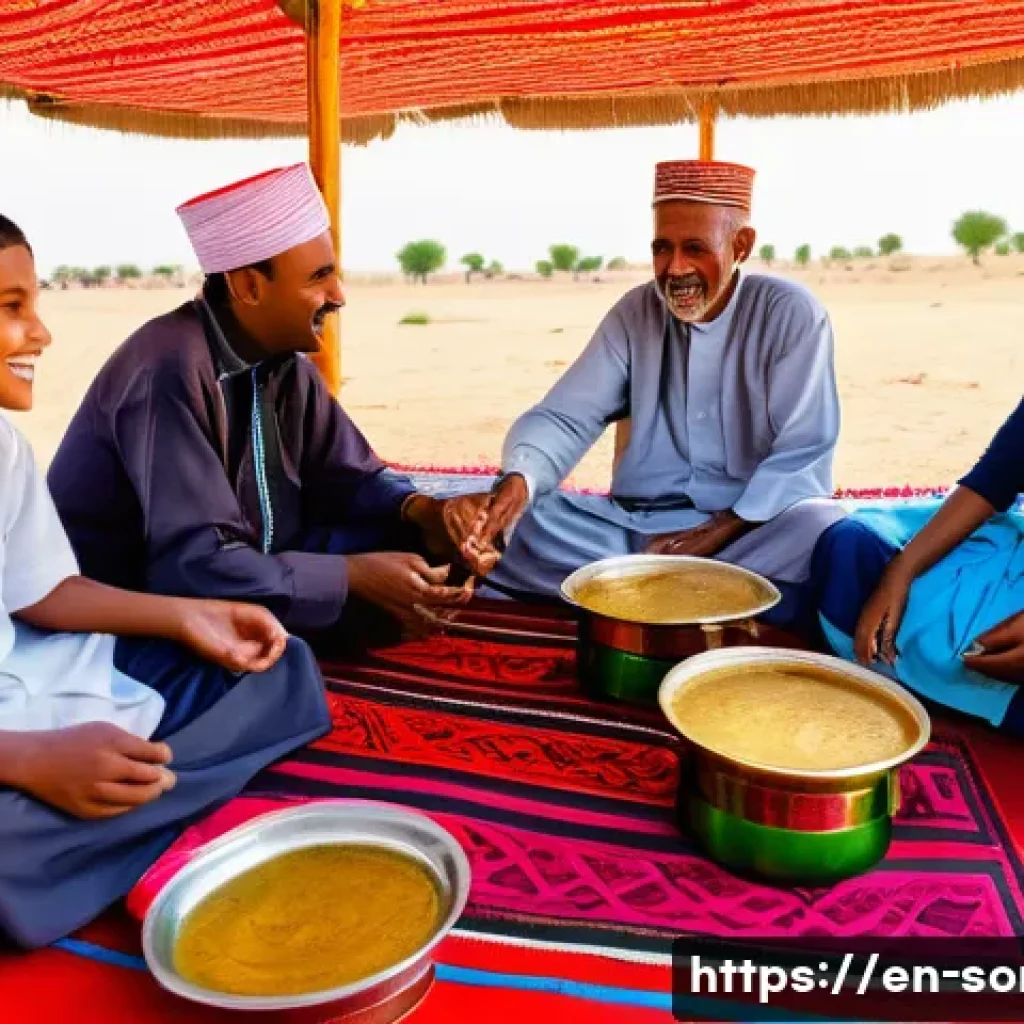
Somalia’s traditional festivals offer a vibrant glimpse into the country’s rich cultural tapestry, blending ancient customs with lively celebrations. These events are not just about festivities; they embody the spirit of community, history, and faith that have shaped Somali identity for generations.
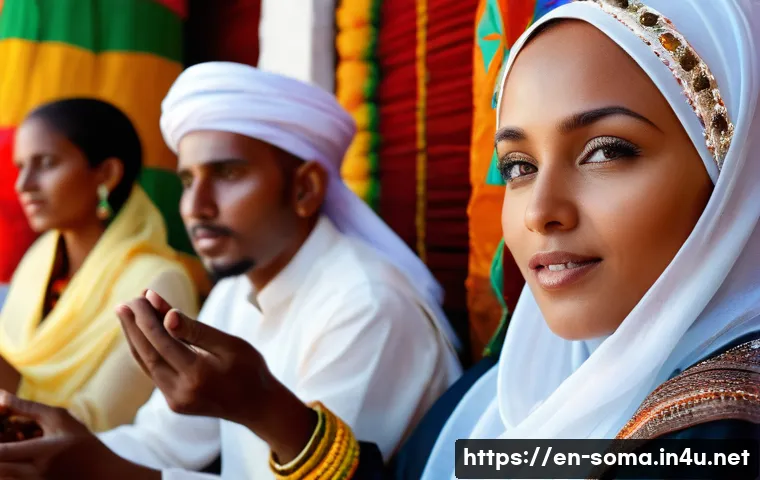
Experiencing these traditions reveals the warmth and resilience of the Somali people, reflected in their music, dance, and food. Whether it’s a religious holiday or a cultural gathering, each festival tells a unique story worth exploring.
Let’s dive deeper and discover what makes these Somali celebrations truly unforgettable!
Community Spirit and Togetherness in Somali Festivities
The Role of Family and Clan Bonds
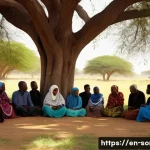
In Somali traditional celebrations, family and clan connections are the backbone of every gathering. These events bring together extended families, neighbors, and clans, reinforcing ties that have held communities together for centuries.
I’ve noticed that no matter where Somalis are in the world, during festivals, the emphasis on family unity is unmistakable. People travel long distances just to share meals, dance, and pray together, showing a level of commitment that goes far beyond casual socializing.
This strong sense of belonging is especially apparent during evenings filled with storytelling and communal meals, where elders pass down tales and wisdom, keeping history alive through oral tradition.
Shared Meals as a Symbol of Unity
Food plays a central role in Somali festivals, serving as a powerful symbol of sharing and generosity. Traditional dishes like bariis iskukaris (spiced rice with meat) and sambusas (savory pastries) are prepared in abundance to feed everyone present.
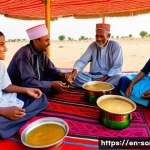
What struck me the most was how the act of eating together isn’t just about nourishment but about reinforcing social bonds. It’s common to see everyone, young and old, sitting on woven mats, eating from communal platters, which creates an intimate atmosphere of equality and respect.
This shared experience reflects the Somali value of hospitality, where no guest leaves hungry or unacknowledged.
Music and Dance: The Heartbeat of Celebration
Music and dance are inseparable from Somali festivities, echoing the joy and resilience of the people. Traditional instruments like the oud and drums set a rhythmic backdrop for dances that vary from region to region but always emphasize collective participation.
When I attended a festival in Mogadishu, the energy was infectious—everyone joined in, clapping hands or moving to the beat, regardless of age or social status.
These performances are more than entertainment; they serve as a living archive of Somali history, with songs narrating heroic deeds, love stories, and spiritual themes.
The vibrant dances and chants elevate the spirit of the gathering, making each celebration unforgettable.
Expressions of Faith Through Festive Observance
Religious Festivals and Their Deep Meaning
Many Somali festivals revolve around Islamic holidays like Eid al-Fitr and Eid al-Adha, which are marked by prayer, charity, and feasting. Experiencing these events firsthand, I was impressed by the profound spirituality that permeates every moment.
Before the communal meals, prayers are said in unison, invoking blessings and gratitude. The act of giving to those in need during these times reflects a core Islamic value deeply embedded in Somali culture.
Watching families prepare for Eid by buying new clothes and exchanging gifts, I realized how these rituals strengthen both individual faith and community cohesion.
Blending Tradition with Religious Practice
What’s fascinating is how ancient Somali customs blend seamlessly with religious observance. For example, before the formal religious ceremonies, there are often traditional dances and songs performed that predate Islam but have been adapted to fit within the festival’s spiritual framework.
This fusion enriches the celebrations, making them a holistic experience that honors both heritage and belief. I found that this blend allows younger generations to connect with their roots while embracing their faith, creating a unique cultural identity that’s both modern and deeply traditional.
The Role of Storytelling in Preserving Faith
Storytelling during religious festivals also plays a vital role in passing down values and historical knowledge. Elders narrate stories from the Quran alongside Somali legends, linking moral lessons with cultural pride.
This oral tradition ensures that faith is not only taught through scripture but lived through shared experience. When I listened to these stories, I was struck by the way they encourage reflection, compassion, and community responsibility, reinforcing the moral fabric that supports Somali society.
Seasonal Celebrations and Agricultural Cycles
Harvest Time Festivities
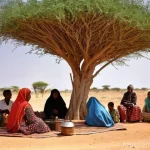
Although Somalia’s arid climate limits large-scale farming, seasonal changes still influence traditional celebrations. Harvest festivals are occasions to give thanks for the land’s bounty, however modest, and to pray for future rains.
I had the chance to visit a rural community during one such festival, where the atmosphere was charged with hope and gratitude. Locals gathered to share the best of their crops, such as dates and sorghum, celebrating the hard work that sustains their families.
These events also include ritualistic dances and songs that ask for blessings on the land, blending practical concerns with spiritual reverence.
Nomadic Traditions in Festive Contexts
For many Somalis, especially nomadic pastoralists, festivals are opportunities to celebrate the livestock that forms the basis of their livelihood. Camels, goats, and sheep are honored through ceremonies that include grooming, parading, and even poetry recitals praising their importance.
I remember witnessing a camel beauty contest during a festival, where the pride and care shown toward these animals highlighted the deep bond between people and their environment.
These celebrations are a vivid reminder of the adaptability and resilience required to thrive in challenging landscapes.
Weather Patterns and Their Influence on Festivities
The timing of festivals is often closely linked to climatic conditions, with communities adjusting their celebrations based on the availability of resources.
This practical approach reflects a deep understanding of nature’s cycles and the need for harmony with the environment. During dry seasons, festivals may focus more on spiritual renewal and community support, while wetter periods allow for more elaborate feasting and socializing.
This dynamic relationship between climate and culture adds layers of meaning to Somali traditional celebrations, making them both responsive and rooted in place.
The Art of Traditional Dress and Ornamentation
Symbolism Behind Clothing Choices
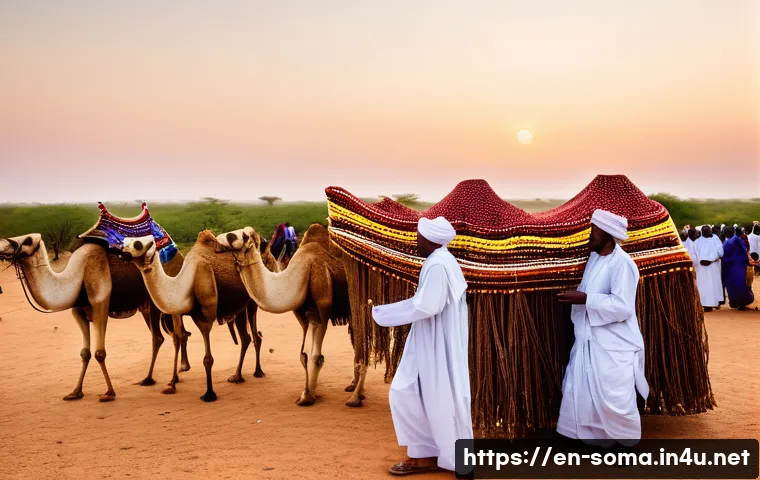
Traditional attire worn during Somali festivals is more than just beautiful fabric; it carries significant cultural symbolism. Women often don brightly colored diracs with intricate embroidery, while men wear macawiis and sometimes a white turban symbolizing purity and respect.
From my observations, the choice of colors and patterns can indicate clan affiliation, social status, or even personal milestones. This visual language adds depth to the celebrations, allowing individuals to express identity and pride through their garments.
Jewelry and Accessories as Cultural Markers
Jewelry plays an essential role in Somali festive attire, especially for women. Silver necklaces, bracelets, and earrings often feature traditional designs passed down through generations.
I was amazed at how these pieces are not only decorative but also believed to offer protection and convey social messages. During festivals, the sparkle of jewelry complements the vibrant clothing, creating a dazzling display that highlights both personal and communal heritage.
The craftsmanship involved is a testament to the artistry and cultural continuity of Somali artisans.
Modern Influences and Adaptations
While traditional dress remains central to Somali festivals, modern fashion trends have also made their mark. Younger generations often blend contemporary styles with classic elements, creating looks that honor the past while embracing the present.
I’ve seen festival attendees pair traditional fabrics with modern accessories or incorporate new colors and cuts, reflecting a dynamic cultural evolution.
This fusion of old and new keeps Somali celebrations fresh and relevant, appealing to a broad audience while preserving essential cultural values.
Unique Customs and Rituals That Enliven Celebrations
Gift-Giving Traditions
Gift exchanges during Somali festivals go beyond simple gestures; they are meaningful acts that reinforce relationships and show respect. Typical gifts include spices, sweets, or handcrafted items, each chosen with care to reflect the recipient’s personality or status.
From personal experience, receiving a gift during a festival felt like being welcomed into a close-knit community, where generosity and thoughtfulness are prized.
These exchanges often accompany greetings and blessings, making the act both heartfelt and culturally significant.
Traditional Games and Competitions
Festivals often feature traditional games and friendly competitions that bring out communal spirit and joy. Activities like horse racing, wrestling, and poetry recitals provide entertainment while honoring age-old customs.
I once attended a poetry contest where participants improvised verses praising their clans or recounting historical events. The audience’s enthusiastic response created an electric atmosphere, highlighting the importance of oral art in Somali culture.
These games and contests serve as both amusement and education, preserving traditions in an engaging way.
Use of Incense and Aromatic Practices
The scent of burning frankincense and other aromatic resins fills the air during many Somali festivals, adding a sensory layer to the celebrations. This practice is believed to purify the space, invite blessings, and enhance spiritual connection.
Having witnessed this firsthand, I can say that the fragrant smoke creates a calming ambiance, helping participants focus on prayer and reflection. The ritual use of incense also links the present with ancestral customs, reminding everyone of their shared heritage and the sacredness of the occasion.
Summary Table of Key Elements in Somali Traditional Festivals
| Aspect | Description | Examples |
|---|---|---|
| Community Bonding | Strengthening family and clan ties through shared activities and meals | Communal eating, storytelling, collective dances |
| Religious Observance | Integration of Islamic practices with cultural traditions | Eid prayers, charity, blended traditional dances |
| Seasonal Influence | Festivals aligned with agricultural and climatic cycles | Harvest celebrations, livestock ceremonies |
| Traditional Attire | Clothing and jewelry symbolizing identity and status | Dirac dresses, silver jewelry, macawiis |
| Customary Rituals | Gift-giving, games, incense use to enrich festivities | Poetry contests, frankincense burning, horse racing |
글을 마치며
Somali traditional festivals are a beautiful tapestry of community, faith, and culture woven together through shared experiences. They highlight the importance of family bonds, spiritual devotion, and respect for nature’s rhythms. Experiencing these celebrations offers a deep appreciation for how traditions keep communities connected and vibrant. Ultimately, Somali festivities are a testament to resilience and the enduring power of togetherness.
알아두면 쓸모 있는 정보
1. Somali festivals often revolve around Islamic holidays, blending religious rituals with cultural customs to create meaningful celebrations.
2. Food is central to these events, with communal meals fostering a sense of equality and hospitality among participants.
3. Music, dance, and storytelling not only entertain but also preserve history and reinforce social ties.
4. Traditional attire and jewelry carry deep cultural significance, symbolizing identity, status, and heritage.
5. Seasonal and environmental factors influence the timing and nature of festivals, reflecting a close relationship with the land.
중요 사항 정리
Somali traditional festivals are rich in symbolism and community spirit, where family and clan unity take center stage. The seamless integration of Islamic faith with ancient customs creates a unique cultural identity that is both spiritual and social. Shared meals, music, and storytelling play vital roles in reinforcing bonds and preserving heritage. Seasonal cycles and nomadic lifestyles shape the festival calendar, ensuring that celebrations remain connected to the environment. Finally, traditional dress and rituals like gift-giving and incense use add layers of meaning, making each festival a vibrant expression of Somali life.
Frequently Asked Questions (FAQ) 📖
Q: What are some of the most important traditional festivals celebrated in Somalia?
A: Somalia hosts several significant traditional festivals that reflect its rich cultural heritage. Among the most notable are Eid al-Fitr and Eid al-Adha, which are religious celebrations marking the end of Ramadan and the festival of sacrifice, respectively.
These events bring families and communities together for prayer, feasting, and charity. Additionally, cultural festivals like the Somali Cultural Day showcase traditional music, dance, and poetry, offering a vibrant display of Somali identity.
Experiencing these festivals provides a deep insight into the values and traditions that have been passed down through generations.
Q: How do Somali traditional festivals reflect the country’s cultural identity?
A: Somali festivals are a living expression of the country’s history, faith, and communal bonds. The music and dance performed during these celebrations often tell stories from Somali folklore and history, while the food shared reflects regional flavors and hospitality customs.
These gatherings emphasize solidarity and resilience, reinforcing social ties and collective memory. For example, during Eid celebrations, the emphasis on charity and community support highlights the deep-rooted Islamic values intertwined with Somali culture.
In this way, each festival acts as a cultural mirror, celebrating both the past and present of Somali society.
Q: Can visitors participate in Somali traditional festivals, and what should they expect?
A: Absolutely! Visitors are generally welcomed warmly at Somali traditional festivals and can expect a lively, colorful atmosphere filled with music, dance, and delicious food.
However, it’s important to approach these events with respect for local customs and religious practices. For instance, during religious holidays like Eid, modest attire and participation in communal prayers may be appropriate.
Engaging with locals, trying traditional dishes, and enjoying performances offer an authentic experience. From personal encounters, I’ve found that Somali communities are proud to share their heritage and eager to make visitors feel included in their celebrations.