Hey everyone! It’s your favorite English blog influencer here, diving deep into a topic that truly keeps me up at night. You know how passionate I am about understanding global issues and sharing insights that truly matter, and today, we’re tackling something incredibly urgent: the ongoing water crisis unfolding in Somalia.
When I first started researching this, I honestly found myself shocked by the sheer scale and complexity of the challenges, and it’s something we absolutely need to bring into the global spotlight.
Imagine waking up every single day not knowing if you’ll find enough clean water to drink, let alone to cook, or even maintain basic hygiene. This isn’t just a hypothetical for millions in Somalia; it’s a harsh, daily reality that has been tragically compounded by a heartbreaking mix of severe, prolonged droughts—the worst they’ve seen in 40 years—and ironically, devastating floods that follow, contaminating precious water sources and destroying vital infrastructure.
It’s a cruel twist of climate change, isn’t it? As I dug deeper, I learned that this isn’t solely about a lack of rain; it’s also deeply tied to weak water management systems and persistent political instability, making consistent access to safe water a luxury for far too many.
The human cost is absolutely staggering, with millions displaced from their homes and facing alarming rates of waterborne diseases and acute malnutrition.
Even more concerning, the critical humanitarian efforts on the ground are currently grappling with severe funding shortfalls, leaving hundreds of thousands without basic water and sanitation services at a time when they need it most.
It truly makes you wonder how we can possibly stand by. Let’s find out exactly what’s happening and how this vital issue is profoundly shaping the lives of millions.
Unpacking the Daily Battle for Every Drop

Imagine waking up, and the first thought that hits you isn’t about your morning coffee or that email you need to send, but a deep, gnawing anxiety: “Will there be enough water today?” This isn’t just a fleeting worry for millions in Somalia; it’s a harsh, ever-present reality that dictates every single moment.
I’ve spent so much time poring over reports and personal accounts, and it truly makes my heart ache to think of families walking for hours, often in scorching heat, just to find a water source that might not even be clean.
It’s a fundamental human right, yet for so many, it’s a luxury they can only dream of. The daily trek for water isn’t just physically exhausting; it steals precious time, especially from women and children, who are often tasked with this immense burden.
This means children miss out on school, and women are unable to pursue other income-generating activities, trapping families in a brutal cycle of poverty and vulnerability.
The sheer desperation of using dirty, unsafe water because there’s simply no other option is a grim picture I can’t shake, and it paints a vivid portrait of survival at its most basic.
It’s a constant struggle that chips away at dignity and health, day after agonizing day.
The Endless Search for Potable Water
It’s honestly hard to fathom the sheer effort involved. We talk about accessibility, but in regions like Bay, Bakool, and Gedo, water points that communities once relied on have simply gone dry.
This isn’t just an inconvenience; it forces families to push deeper into dangerous areas or travel further, sometimes doubling or even tripling water prices in places like Mudug region, from what was already an impossible sum to begin with.
I read about a mother who walked for an entire day with her young child, only to find a nearly empty well, and it just broke me. The thought of making such a monumental effort with so little reward, carrying heavy containers under a relentless sun, truly highlights the physical and emotional toll this crisis inflicts.
The strain on already fragile households is immense, often leading to impossible choices about how to allocate their meager resources.
Life on the Brink: Scarcity and Survival
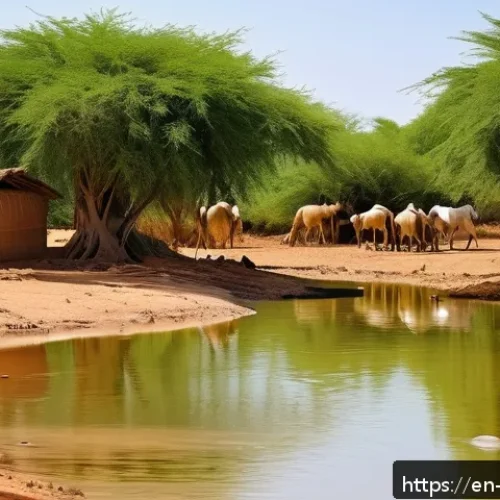
This isn’t just about thirst, you know? It’s about life itself. When water sources dwindle, it’s not just humans who suffer.
Livestock, which are often the lifeline and sole asset for pastoral communities, perish en masse. I saw a statistic that over three million livestock have died in previous drought periods, and the current situation is pushing things to a similar breaking point.
Can you imagine losing your entire livelihood, your entire savings, simply because there’s no water for your animals? It’s a direct hit to the heart of their economy and culture.
This ripple effect deepens food insecurity, creating a terrifying spiral where a lack of water leads to a lack of food, and ultimately, to widespread displacement as people abandon their homes in search of basic survival.
The Climate’s Cruel Hand: A Cycle of Despair
When I first started digging into this, I knew climate change was a factor, but the extent of its impact in Somalia is truly heartbreaking. It’s not just a gradual shift; it’s a brutal, relentless cycle of extremes that leaves communities reeling.
Somalia is experiencing some of its most devastating droughts in recent history, often followed by ironic, destructive floods. It feels like the earth itself is confused, lashing out with too little rain, then too much, with devastating consequences each time.
This isn’t just a natural disaster in the traditional sense; it’s a crisis magnified by global warming, shifting weather patterns, and years of environmental degradation.
As an influencer, I feel it’s my duty to highlight how acutely vulnerable countries like Somalia are to these global changes, often bearing the brunt of emissions from far wealthier nations.
It’s a stark reminder that climate action isn’t just an environmental issue; it’s a humanitarian imperative.
The Relentless Dance of Drought and Deluge
It’s a cruel paradox: prolonged droughts leave rivers and wells bone-dry, parching the land and destroying crops and livestock, only for sporadic, intense floods to follow, contaminating what little water remains and destroying vital infrastructure.
I read that the country is recovering from a historic drought from 2020-2023, and then faced severe flooding in late 2023 and mid-2024, only to be potentially moving towards another multi-season drought in 2025.
It’s an exhausting, unending loop. The land doesn’t have time to recover, nor do the people. The “El Niño” rains, for instance, have caused significant challenges, displacing hundreds of thousands and cutting off access to food, shelter, healthcare, and sanitation.
It’s a constant battle against forces that are increasingly unpredictable and violent, making any semblance of stability or long-term planning incredibly difficult for those on the ground.
Desertification and Environmental Degradation
Beyond the immediate shocks, there’s a slower, insidious threat at play: desertification. With over 90% of Somalia’s land classified as arid or semi-arid, the country is incredibly vulnerable.
Rising temperatures, projected to increase by up to 1.9°C within the next decade, drastically reduce water availability and escalate drought risks. I picture fertile lands slowly turning to dust, the life draining out of them, and it’s a powerful, frightening image.
This environmental degradation is exacerbated by practices like deforestation due to charcoal dependence, which further strips the land of its ability to retain moisture and resist erosion.
It’s a complex web where climate change isn’t just about weather; it’s about the very ground beneath people’s feet literally giving way, taking livelihoods and homes with it.
Beyond the Rainfall: Governance, Instability, and Infrastructure
While climate change looms large, it’s absolutely crucial to understand that Somalia’s water crisis isn’t *solely* a natural phenomenon. This has been a deeply entrenched issue, aggravated by decades of political instability and a severe lack of robust water management systems.
I’ve learned that even if the rains were consistent, which they are certainly not, the existing infrastructure simply couldn’t cope. It’s a challenging thought because it means we’re dealing with multiple layers of problems, not just one.
My experience researching this tells me that without addressing these underlying systemic issues, any relief will only ever be temporary, a band-aid on a gaping wound.
This makes the situation incredibly complex, but it also means there are clear areas where strategic investment and focused effort could make a monumental difference.
The Silent Erosion of Weak Infrastructure
One of the most glaring issues is the sheer inadequacy of water infrastructure. Can you believe that in some areas, 40% of existing water sources are non-functional?
That’s almost half! This isn’t just about building new wells; it’s about maintaining and protecting what’s already there. The civil war, which has spanned decades, has had a profound impact, leaving a vacuum in governance and regulation necessary to coordinate and advance water systems.
There’s a real struggle with “weak water supply management models” and the high costs of operating and maintaining these systems. It boils down to a lack of accountability at the government level, making effective planning and regulation almost impossible.
It’s a systemic breakdown that leaves millions without consistent access to clean water, even where water resources theoretically exist.
Conflict, Displacement, and Competition for Resources
The political instability and ongoing conflict in Somalia are tragically intertwined with the water crisis. When communities are constantly uprooted by violence, their access to established water sources is destroyed.
Over 225,122 people were newly displaced in the first half of 2025 alone due to conflict, drought, and floods. These displaced populations, often living in overcrowded camps, put immense strain on the already limited water supplies in their new locations, leading to overuse of groundwater pumps and increased pressure on infrastructure.
What’s more, competition over dwindling water and pasture resources often ignites further inter-clan clashes and tensions. It’s a heartbreaking cycle where scarcity fuels conflict, and conflict exacerbates scarcity, creating a desperate situation for countless families just trying to survive.
The Alarming Health Toll: A Silent Scourge
As someone who genuinely cares about global well-being, the health implications of Somalia’s water crisis are what truly keep me up at night. It’s not just an abstract problem; it’s a silent, deadly scourge taking a brutal toll, especially on the most vulnerable among them.
When access to clean water is a daily gamble, and sanitation is almost non-existent, waterborne diseases don’t just spread; they explode through communities with terrifying speed.
I’ve seen the numbers, and they’re not just statistics; they represent countless lives, particularly those of innocent children, struggling against preventable illnesses that most of us in developed nations rarely even think about.
It’s a stark reminder of how interconnected our world is, and how a crisis in one corner can have devastating human consequences.
The Deadly Rise of Waterborne Diseases
We’re talking about a deadly rise in diseases like cholera and acute watery diarrhea (AWD), particularly among children under five. Can you imagine? From January to July of this year, Somalia reported over 6,550 cholera and AWD cases, including nine tragic deaths, with over 1,000 new cases in just one month.
Nearly two-thirds of these cases were severe, and half involved children under five. It’s truly horrifying. The lack of safe drinking water and proper sanitation means that these diseases have been transmitted without interruption since 2017 in some areas, especially in Banadir region.
I recall reading a report that mentioned over 19,800 cumulative AWD/Cholera cases were reported in 2024, surpassing 2023 levels. These outbreaks aren’t just an unfortunate consequence; they are a direct result of people being forced to rely on contaminated water sources and live in unsanitary conditions, particularly in overcrowded displacement camps.
Sanitation, Hygiene, and Malnutrition’s Vicious Cycle
The problem doesn’t stop at just drinking contaminated water. The lack of adequate sanitation and hygiene facilities creates a perfect storm for disease.
Less than one in four Somalis have access to improved sanitation, and in rural villages, open defecation is horrifyingly common, contributing significantly to high disease rates.
When basic hygiene practices like handwashing are impossible due to water scarcity, the spread of illness becomes almost inevitable. This, coupled with the food insecurity driven by drought, creates a vicious cycle of malnutrition.
Malnourished children are far more susceptible to waterborne diseases, and repeated bouts of illness further worsen their nutritional status, often with fatal outcomes.
It’s a heartbreaking intertwining of factors that attack the very foundations of health and well-being.
When Help Falls Short: The Dire Funding Gap
This is where the story gets incredibly frustrating for me, and I’m sure it will be for you too. We talk about humanitarian aid, about global responsibility, but the reality on the ground in Somalia is that critical life-saving efforts are severely underfunded.
It’s not just a small shortfall; it’s a gaping chasm that is literally costing lives and forcing aid agencies to make agonizing, impossible choices. I’ve seen the appeals, read the reports, and the disparity between what is needed and what is actually received is simply astounding.
It makes me wonder about our collective priorities and how much more suffering has to occur before the world truly steps up.
Brutal Cuts and Abandoned Services
Can you believe that water and sanitation funding for Somalia currently stands at less than 12% of what is needed? Less than 12%! The UN appealed for $1.42 billion to assist 4.6 million people in Somalia for 2025, yet only 17% of that target has been met.
This brutal reality has forced aid agencies to slash their targets by a staggering 72%, aiming to reach only 1.3 million people instead of the desperately needed 4.6 million.
This isn’t just numbers; it means over 300,000 people have lost access to safe water because water trucking and sanitation systems have been scaled back or shut down.
I read that more than 150 health clinics have been shut down this year due to these funding cuts. This translates directly to children not getting treatment, diseases spreading unchecked, and entire communities being left to fend for themselves without basic services.
It’s a humanitarian crisis compounded by a funding crisis.
The Human Cost of Neglect

The consequences of these funding shortfalls are devastatingly human. Mohamed Abdi, NRC’s Country Director in Somalia, put it so eloquently: “The scale down of the humanitarian response in Somalia does not mean fewer people need aid; it means more than three million Somalis will be left to fend for themselves.” That sentence truly resonates with me.
It’s a powerful indictment of the global community’s failure to adequately respond. Families are not just experiencing hardship; they are facing heightened risks of deadly disease outbreaks, acute malnutrition, and further displacement.
The very interventions that could prevent widespread suffering are being dismantled, leaving the most vulnerable – internally displaced people in overcrowded camps and rural communities already struggling – in an even more precarious position.
It’s a tragic example of how financial decisions made far away have life-or-death consequences for millions.
Glimmers of Hope: Community Resilience and Sustainable Paths
Despite the overwhelming challenges, I always try to find and highlight the incredible resilience and innovative spirit of people on the ground. It’s so easy to get bogged down by the sheer scale of the crisis, but when you look closely, there are communities and organizations doing truly inspiring work.
These efforts, though often localized and under-resourced, offer crucial insights into what truly works for long-term solutions. It gives me immense hope to see the dedication, ingenuity, and sheer refusal to give up, even when facing such monumental odds.
This kind of grassroots energy, combined with strategic external support, is what I believe holds the key to building a more water-secure future.
Local Innovations and Community-Led Solutions
It’s truly amazing to see how local communities, often with the support of NGOs, are developing and implementing their own solutions. I’ve learned about projects focused on constructing rainwater harvesting systems to collect and store water for domestic use, agriculture, and livestock.
These systems provide a reliable water source during dry seasons, reducing dependence on overexploited groundwater resources. Beyond that, the rehabilitation of traditional water catchment systems is ensuring year-round water availability, benefiting both households and agricultural activities.
What’s so powerful about this is that communities are actively participating in the planning, implementation, and maintenance, which strengthens ownership and ensures these systems are culturally relevant and sustainable.
This isn’t just about charity; it’s about empowerment and building lasting capabilities within the community itself.
Building Long-Term Resilience Through Integrated Approaches
Sustainable water access isn’t just about more water; it’s about improving health, supporting livelihoods, and building resilience to climate-related challenges.
Organizations are now focusing on comprehensive strategies like drilling and rehabilitating boreholes, earth dams, shallow wells, and extending pipelines, all aimed at increasing the availability and accessibility of clean water.
Furthermore, these efforts are extending to promote sustainable agricultural practices that boost yields and preserve soil quality, and educating communities on good hygiene practices to prevent waterborne diseases.
The long-term vision also includes strengthening water governance frameworks, building institutional capacities, and promoting integrated water resources management, recognizing that a holistic approach is essential for enduring change.
It’s a tough road, but these integrated efforts are slowly but surely laying the groundwork for a more stable and water-resilient Somalia.
Taking Action: Our Collective Responsibility
Looking at everything happening in Somalia, it’s easy to feel overwhelmed, to think, “What can I possibly do?” But that’s exactly the trap we can’t fall into.
As someone who believes deeply in the power of collective action, I truly feel we all have a role to play. This isn’t just Somalia’s crisis; it’s a global challenge that demands a global response.
The ripple effects of instability, displacement, and unchecked disease don’t stop at borders. My hope is that by shining a light on this, we can move beyond just understanding to actively contributing to meaningful change.
We’re all connected, and a little effort from each of us can collectively make a massive difference.
Supporting Organizations on the Front Lines
One of the most direct and impactful ways to help is by supporting the incredible organizations working tirelessly on the ground. These are the unsung heroes who are constructing water points, distributing hygiene kits, providing emergency water trucking, and running health clinics despite immense funding shortfalls.
Groups like the Norwegian Refugee Council (NRC), UNICEF, and various local Somali NGOs are making a tangible difference every single day, often under incredibly challenging circumstances.
Your support, even if it feels small, directly translates into clean water for a family, medical care for a sick child, or a step towards long-term sustainability.
Every dollar contributes to their ability to continue providing critical aid and scale up their vital interventions.
Advocating for Policy Change and Greater Investment
Beyond direct donations, our voices hold power. We need to advocate for greater international support and sustained funding for humanitarian efforts in Somalia.
It’s unacceptable that aid appeals go largely unmet when so many lives are at stake. We can pressure our governments and international bodies to prioritize climate financing for vulnerable nations, invest in early warning systems, and support long-term development strategies that address the root causes of water scarcity, rather than just reacting to crises.
We also need to champion better water governance within Somalia itself, promoting accountability and robust regulatory frameworks for water management.
This isn’t about quick fixes; it’s about pushing for systemic changes and sustained commitment that will truly transform the lives of millions.
The Path Forward: Hope, Resilience, and a Sustainable Tomorrow
After diving deep into the complexities of Somalia’s water crisis, it’s clear that there are no easy answers. But if there’s one thing that consistently stands out, it’s the incredible resilience of the Somali people and the undeniable potential for a more hopeful future.
I genuinely believe that by focusing on long-term, sustainable solutions, fostering community empowerment, and ensuring consistent, adequate international support, we can help Somalia not just survive, but truly thrive.
This isn’t just wishful thinking; it’s a vision built on the tangible efforts and innovations already taking root, reminding us that even in the face of immense adversity, progress is possible when we work together.
Empowering Local Communities for Lasting Change
The most effective solutions often come from within. Empowering local communities with the knowledge, tools, and resources to manage their own water resources is absolutely crucial.
This includes investing in training for water management, supporting community-led maintenance of infrastructure, and promoting traditional wisdom alongside modern techniques.
When communities have a sense of ownership and the capacity to address their own challenges, the impact is far more profound and sustainable. Projects that involve locals in every step, from planning to implementation, are the ones that truly build resilience from the ground up, allowing them to adapt to future climate shocks and secure their own water future.
Forging Partnerships for a Water-Secure Future
Tackling a crisis of this magnitude requires a united front. It’s about forging strong partnerships between local communities, government bodies, international NGOs, and technical experts.
These collaborations are essential for sharing knowledge, pooling resources, and ensuring that interventions are well-coordinated and comprehensive. The emphasis needs to be on integrated approaches that don’t just provide water, but also address sanitation, hygiene, food security, and livelihood development simultaneously.
As I’ve observed, it’s this multi-faceted, collaborative effort that can truly move the needle, transforming fragmented responses into a cohesive, impactful strategy that can build a truly water-secure and prosperous Somalia for generations to come.
| Crisis Indicator | Current Situation (2025 Data) | Impact on Population |
|---|---|---|
| People affected by drought | Estimated 2.5 million across 26 districts | 887,000 living in severely affected areas |
| Displacement (Jan-Jul 2025) | Over 225,122 newly displaced | Due to conflict, drought, and floods |
| Cholera/AWD Cases (Jan-Jul 2025) | Over 6,550 cases, 9 deaths | Nearly two-thirds severe, half in children under five |
| WASH Funding Status (2025 Appeal) | Less than 12% of required amount | 300,000+ people lost access to safe water due to cuts |
| Health Clinics Shut Down (2025) | More than 150 clinics | Due to funding shortfalls, limiting critical care |
Bringing It All Together
I’ve poured my heart out exploring the profound water crisis gripping Somalia, and honestly, it’s a situation that demands our unwavering attention. It’s a stark reminder that while we often take clean water for granted, for millions, it’s a daily battle for survival. Yet, amidst the despair, I’m continuously inspired by the sheer resilience and innovative spirit of the Somali people, who are finding ways to cope and build a better future against incredible odds. This isn’t just a story of hardship, but one of hope and the powerful impact of collective action. Let’s remember that our shared humanity calls us to stand in solidarity, ensuring that dignity and basic rights, like access to water, are extended to everyone, everywhere.
Actionable Insights: Making a Tangible Difference
1. Educate yourself further: The more we understand the complexities of the crisis – from climate impacts to governance challenges – the better equipped we are to advocate effectively. Follow organizations like UNICEF, NRC, and local Somali NGOs on social media for real-time updates and deeper insights into their work on the ground.
2. Support sustainable solutions: When considering donations, prioritize organizations that focus on long-term, community-led initiatives such as rainwater harvesting, borehole rehabilitation with local training, and integrated water resource management. This approach fosters self-sufficiency and lasting change, rather than just temporary relief.
3. Advocate for policy change: Use your voice to urge your local representatives and international bodies to increase funding commitments for humanitarian aid and climate resilience in vulnerable regions like Somalia. Systemic change requires sustained political will and equitable resource distribution.
4. Mind your own water footprint: While the scale of the crisis in Somalia is immense, our individual actions still matter. Being mindful of our own water consumption and supporting sustainable practices in our daily lives contributes to a broader culture of conservation and responsibility.
5. Share this information: The power of awareness cannot be overstated. By sharing posts like this, you help amplify the voices of those affected and encourage others to learn more and get involved. Every conversation sparks potential for greater impact.
My Key Takeaways
What truly resonates after exploring this crisis is the profound interconnectedness of everything. Somalia’s water challenges aren’t just about a lack of rain; they’re a complex tapestry woven with climate change, decades of instability, crumbling infrastructure, and a heartbreaking lack of global funding. We’ve seen how this leads to widespread disease, displacement, and a brutal cycle of poverty. Yet, the persistent efforts of local communities and dedicated aid workers shine a light on the path forward. It’s clear that genuine, lasting solutions demand sustained international support, a focus on empowering local initiatives, and robust governance to build a truly water-secure and resilient future. This isn’t a problem for Somalia alone to solve; it’s a global call to action for empathy, investment, and collective human dignity.
Frequently Asked Questions (FAQ) 📖
Q: Why is Somalia facing such a devastating water crisis right now?
A: Oh, it truly breaks my heart to see what’s happening. From my research, it’s clear that Somalia is caught in this absolutely brutal cycle of climate extremes, and it’s intensified by deep-seated issues.
We’re talking about the worst droughts they’ve seen in over 40 years, which has literally parched the earth and dried up precious water sources. But here’s the kicker: after these prolonged dry spells, they often get hit with devastating floods.
It’s a cruel paradox, isn’t it? These floods don’t just destroy homes and livelihoods; they contaminate the already scarce clean water, making it unusable.
It’s like a double-edged sword. On top of that, there’s the ongoing political instability and weak water management systems that just can’t keep up. Imagine trying to manage such a vital resource when infrastructure is constantly challenged and regulations are hard to enforce.
A staggering number of existing water points, nearly 40% of them, are simply not working due to a lack of maintenance and resources. It’s a perfect, tragic storm of natural and human-made challenges.
Q: How exactly is this water scarcity impacting the daily lives and health of ordinary Somalis?
A: When I dug into this, the human cost really hit me hard. It’s not just about being thirsty; it’s about a complete unraveling of life. Millions of people, almost 4 million, have been forced to leave their homes, becoming internally displaced, often multiple times, just to find water, food, and safety.
Can you imagine packing up your whole life, repeatedly, because you literally can’t survive where you are? This constant displacement puts an immense strain on already limited resources in host communities.
Children are especially vulnerable; we’re talking about millions of them facing acute malnutrition, and hundreds of thousands suffering from severe acute malnutrition.
And the health aspect? It’s horrifying. People are often forced to drink contaminated water, which leads to rampant outbreaks of waterborne diseases like cholera and acute watery diarrhea.
I read about communities where handwashing, a simple life-saving act, is nearly impossible because there’s just not enough clean water, or soap is too expensive.
This isn’t just an inconvenience; it’s a matter of life and death, particularly for the youngest and most vulnerable among them.
Q: What are the biggest hurdles in getting help to those affected, and what can actually be done to make a lasting difference?
A: This is where it gets incredibly frustrating, because the needs are so immense, but the support often falls short. One of the absolute biggest challenges is a critical lack of funding.
The humanitarian appeals for Somalia are consistently underfunded, meaning organizations on the ground are forced to make agonizing choices, sometimes cutting back or even stopping life-saving services.
It’s like being asked to pick who gets to survive. Another huge hurdle is the logistical nightmare: reaching remote areas is tough, often due to insecurity, and the existing water infrastructure is often broken or non-existent.
But amidst all this, there are rays of hope and clear paths forward. What we desperately need are sustainable, long-term solutions, not just quick fixes.
This means investing in things like rainwater harvesting, drilling more solar-powered boreholes, and supporting community-led water conservation initiatives.
It’s about empowering local communities to manage their own water resources. We also need to integrate water, sanitation, and hygiene (WASH) programs with food security and health services, because you can’t solve one without the others.
And critically, the international community needs to step up with consistent, robust funding, not just for emergency aid, but for building long-term resilience against climate shocks.
We need to remember that while the immediate crises demand our attention, building a resilient future is the only way to break this devastating cycle.