Somali literature is a vibrant and truly unique world, steeped in centuries of rich oral tradition where poetry isn’t just art—it’s woven into the very fabric of daily life, history, and even governance.
Seriously, forget what you think you know about books and stories; Somalis are often called a “Nation of Poets” for a reason! From ancient, rhythmic verses chanted around crackling fires to the powerful, often politically charged, narratives emerging from contemporary authors navigating diaspora and identity, this literary landscape is far more dynamic than many realize.
I’ve personally been captivated by how Somali writers, both past and present, skillfully blend age-old storytelling techniques with modern themes, transforming personal experiences of conflict, resilience, and hope into universally resonant tales.
If you’re looking for an unfiltered, deeply human perspective on a culture that cherishes words above almost all else, you’ve found a goldmine. This isn’t just about reading; it’s about connecting with a powerful legacy.
Let’s dive deeper and uncover the hidden gems of Somali literature together!
The Undeniable Power of the Spoken Word: More Than Just Stories

Echoes Across Generations: Oral Traditions at Their Core
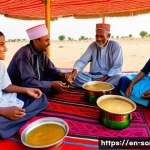
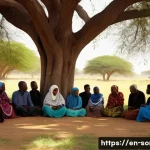
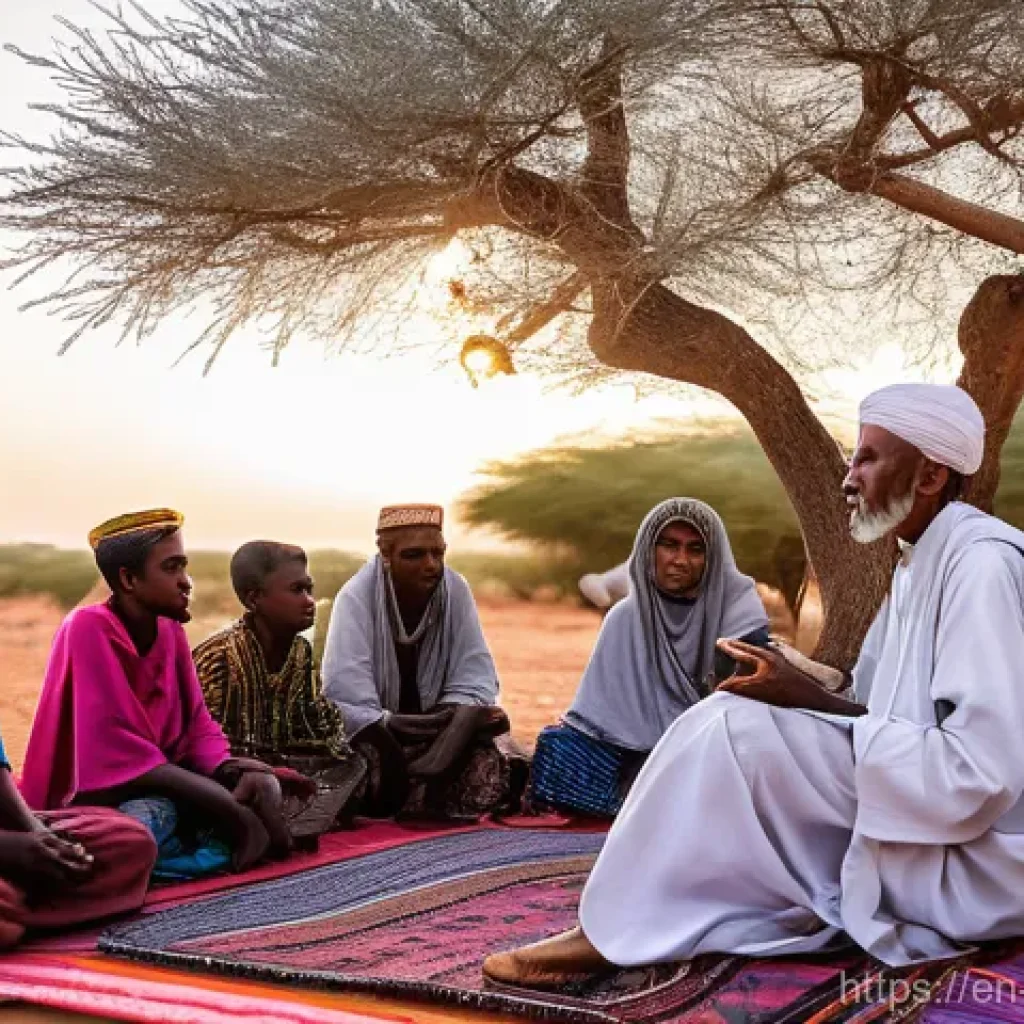
You know, for most of its history, Somali literature wasn’t something you’d find neatly bound in a book on a shelf. It lived, breathed, and thrived in the spoken word, passed down through generations around crackling fires, in nomadic camps, and bustling markets. This oral tradition isn’t just a quaint historical fact; it’s the very heartbeat of Somali culture, deeply woven into daily life. I’ve always been fascinated by how powerful this must have been, how words could carry so much weight and wisdom without ever being written down. Think about it: entire histories, laws, social norms, and even complex philosophical ideas were entrusted to memory and rhythmic verse. It’s truly mind-boggling when you consider the sheer volume and intricate detail of what was preserved this way. This rich legacy means that even today, the influence of oral poetry is everywhere, shaping modern narratives and plays, providing a deep well of cultural reference that continues to resonate with audiences, whether they’re listening to a performance live or via digital channels. I’ve found that this foundational reverence for the spoken word is what makes Somali literature so incredibly vibrant and unique, setting it apart in a global landscape often dominated by the written text. It’s like discovering a secret garden where every plant tells a story, each bloom a poem waiting to be heard.
Poetry as the Fabric of Society
Seriously, when they call Somalia a “Nation of Poets,” they’re not exaggerating! Poetry in Somalia isn’t just an art form for entertainment; it’s a vital, functional element of society. I mean, we’re talking about a place where poetry has literally sparked wars, brokered peace deals, criticized injustice, and praised leaders. Imagine that! It’s been used to negotiate marriages, settle clan disputes, and even to debate ethical dilemmas. This isn’t just a historical footnote; it’s an ongoing practice. Poets were, and in many ways still are, the journalists, historians, lawyers, and moral compasses of their communities. Their verses are meticulously structured, often following strict meters and alliteration patterns, making them not only beautiful but also memorable and persuasive. It’s a performance, a sermon, and a powerful tool for social commentary, all rolled into one. I recall stumbling upon a documentary once about a modern-day poetic debate, and the intensity, the sheer intellectual firepower on display, was absolutely captivating. It really hit home how deeply ingrained this tradition is, and how much power words truly hold in this culture.
Crafting Identity: The Role of Somali Poets
Voices of the Community: Spokespersons and Protectors
When you delve into Somali literature, you quickly realize that poets aren’t just isolated artists; they’re central figures in their communities, often serving as spokespersons and protectors of clan identity and honor. Think of someone like Sayyid Maxamed Cabdille Xasan, a key figure in the early 20th century, who used his poetry as a weapon against colonial rule, mobilizing people and articulating a strong sense of national identity. But it’s not always about grand, national movements. On a more local level, poets defend their clan’s rights, immortalize their fame, and even respond to rival poets who might attack their community’s prestige. This intense connection between the poet and their people means their work isn’t just personal expression; it’s a reflection of collective emotion, a historical record, and a guide for future generations. I’ve personally seen how the stories and values embedded in these poems continue to shape how Somalis understand their past and navigate their present, whether they are in the homeland or scattered across the globe. It’s a living, breathing testament to the enduring power of words to forge and maintain identity.
Challenging Norms: Love, Politics, and Resistance
While many classical Somali poems focused on war, clan identity, and historical events, the literary landscape also boasts voices that dared to challenge the status quo, often focusing on themes of love, peace, and even questioning societal norms. Take Elmi Boodhari, for example, a 20th-century poet who famously defied conventions by dedicating all his poetry to one woman he loved, Hodan Abdulle, at a time when such open romantic declarations were considered unconventional, even scandalous. His focus on romance, rather than tribal war, set him apart and showed the incredible breadth of poetic expression. Similarly, women poets, through genres like *buraambur*, have historically used their verses not just for celebrations but also to express social wisdom, resilience, and even protest against injustice, particularly during anti-colonial struggles and periods of civil unrest. This diverse range of voices, from the deeply personal to the politically charged, highlights how Somali literature has always been a dynamic space for critical thought and emotional depth. It’s never been a monolith, and that’s what makes exploring it so rewarding – you constantly find unexpected gems.
The Literary Tapestry: Genres and Their Nuances
Classical Forms: Gabay, Jiifto, and Geeraar
When you talk about classical Somali poetry, three genres immediately spring to mind: *gabay*, *jiifto*, and *geeraar*. These aren’t just names; they represent the pinnacle of poetic artistry and have dominated the Somali cultural scene for centuries. The *gabay*, for instance, is often considered the most esteemed and complex form, typically chanted and used for serious, reflective themes, often carrying significant argumentative or persuasive weight. I always imagine a *gabay* being recited with immense gravitas, holding an entire assembly spellbound. The *jiifto*, also chanted, often carries a more moody or contemplative tone, while the *geeraar* is generally shorter, historically associated with war, and often recited on horseback to inspire warriors. What’s truly remarkable is that these forms are defined not by their thematic range, but by their rigid metrical and alliterative patterns. This means a *gabay* could theoretically be about love, though it’s typically reserved for more weighty matters, and a *geeraar* about something other than battle. It’s this technical mastery, combined with profound lyrical content, that makes these classical forms so revered and enduring.
Modern Expressions: Heello and Beyond
As society evolved, so did Somali poetry, giving rise to more modern forms that adapted to changing times and urban life. The *heello*, or *balwo*, emerged in the 1920s and really hit its stride in the 1940s, becoming incredibly popular, especially on the radio. These were often short love poems, a delightful contrast to the more formal classical genres. I can picture people gathered around a radio, completely enthralled by these new, relatable verses. After Somalia gained independence in the 1960s, the *heello* further evolved into modern *hees*, which became widespread by the 1970s. While *maanso* generally refers to poems by named authors dealing with serious issues, *hees* covers lighter, often sung poems, including work songs, dance songs, and these modern urban forms. This demonstrates the incredible flexibility and adaptability of Somali expressive culture, always finding new ways to articulate the human experience. It’s a reminder that even in a tradition so deeply rooted, there’s always room for innovation and fresh perspectives, keeping the literary landscape vibrant and relevant for new generations.
Diaspora’s Embrace: New Horizons for Somali Storytelling
Bridging Worlds: Narratives of Exile and Identity
The Somali diaspora, a direct consequence of conflict and migration, has opened up entirely new horizons for Somali literature, creating a vibrant body of work that truly bridges worlds. Authors living outside Somalia are navigating complex themes of exile, identity, displacement, and the challenges of cultural integration in their adopted homelands. I’ve personally been deeply moved by how these writers skillfully blend age-old storytelling techniques with modern themes, transforming personal experiences of conflict, resilience, and hope into universally resonant tales. They’re not just telling their own stories; they’re creating a transnational and multilingual literary space where different cultures interact and intertwine. This literature, often written in English, Italian, or other European languages, as well as Somali, offers unique insights into the ongoing transformation of Somali society and the human condition itself. It’s a powerful testament to the enduring spirit of a people who, despite incredible challenges, continue to cherish and express their culture through the power of words.
Influential Voices from Afar
The global Somali diaspora has produced a remarkable array of influential writers who are gaining international recognition, enriching not only Somali literature but global literature as a whole. Figures like Nuruddin Farah, widely considered the most significant Somali writer in any European language, have captivated audiences with their rich imagination and keen insights into Somali politics and society. His trilogies, like “Variations on the Theme of an African Dictatorship,” offer profound explorations of leadership, conflict, and the human spirit. Then there’s Nadifa Mohamed, whose novel “Black Mamba Boy” brilliantly weaves her father’s memories into a compelling narrative, earning her critical acclaim. Ubah Cristina Ali Farah, writing in Italian, offers another crucial perspective on identity and displacement. These authors, among others, are not just recounting personal experiences; they are shaping a new literary consciousness, one that challenges naturalized perceptions of linguistic and territorial boundaries. Their works contribute significantly to the preservation of Somali history and cultural heritage, ensuring that the Somali voice is heard loud and clear on the global stage. It’s truly inspiring to see how these stories, born from a diaspora, are now reaching and impacting so many people around the world.
Beyond the Pages: The Enduring Significance
A Bridge Between Generations and Cultures
What truly strikes me about Somali literature is its profound ability to act as a bridge—connecting generations, bridging divides between homeland and diaspora, and fostering understanding across diverse cultures. It’s not just about preserving the past; it’s about actively shaping the present and informing the future. Through its rhythmic poems, engaging narratives, and insightful prose, Somali literature keeps historical events alive, embodies the aspirations and struggles of the people, and transmits invaluable life lessons. I’ve often thought about how crucial this is in a rapidly changing world, where cultural connections can easily fray. For Somalis, wherever they are, these literary works provide a vital link to their roots, reinforcing a shared sense of identity and community. The way a historical poem can be recited by a young person in London or Minneapolis, just as it might have been heard by their ancestors in Mogadishu or Hargeisa, is a powerful demonstration of this cultural continuity. It fosters a strong sense of community and unity among Somalis worldwide, transcending borders and providing a powerful platform for dialogue and understanding.
The Power to Heal and Inspire
In the face of immense challenges, including civil war and political instability, Somali literature has consistently demonstrated an incredible power to heal, inspire, and foster resilience. It has provided a crucial outlet for expressing pain, processing trauma, and articulating hopes for a better future. When I read stories emerging from the refugee camps or narratives reflecting on post-conflict realities, I’m always struck by the raw honesty and unwavering spirit. Writers and poets have used their craft to comment on injustices, advocate for peace, and champion social change, often inspiring their people to think differently and to work towards a common goal. The resurgence of contemporary Somali literature, particularly works exploring themes of resilience and the human spirit, is a testament to this enduring power. It’s a powerful reminder that even in ruins, art thrives, offering solace, challenging the status quo, and illuminating paths forward. It reminds me that even when everything else seems broken, the human spirit, and its ability to tell stories, remains incredibly robust.
My Personal Deep Dive into Somali Literary Gems
Unveiling Hidden Treasures
I have to tell you, my journey into Somali literature has been nothing short of a treasure hunt. Before I really started digging, I honestly didn’t fully grasp the sheer depth and richness of it all. I knew of the “Nation of Poets” moniker, but experiencing the actual works, even in translation, has been a revelation. Discovering the intricacies of *gabay* poetry, understanding how its alliteration and meter aren’t just decorative but deeply integral to its meaning and memorization, was a huge “aha!” moment for me. I remember one evening, reading an English translation of a classic poem and trying to imagine the rhythm and performance of the original – it instantly transported me. It’s a completely different way of engaging with literature compared to what many of us are used to, and it’s profoundly rewarding. There’s a real joy in finding those hidden gems, whether it’s an ancient proverb that perfectly captures a universal truth or a contemporary novel that offers an unflinching look at modern-day challenges through a uniquely Somali lens. The more I read, the more I feel like I’m not just consuming content, but actually connecting with a living, breathing cultural legacy.
Connecting Through Shared Human Stories
What really resonates with me, and why I keep coming back to Somali literature, is its incredible ability to connect us through shared human stories. Despite different languages and vastly different life experiences, the core themes—love, loss, resilience, hope, conflict, and the enduring search for identity—are universal. I’ve found myself nodding along, feeling a lump in my throat, or even laughing out loud at moments in stories by Somali authors, just as I would with writers from any other part of the world. It reminds you that underneath all our cultural differences, there’s a fundamental human experience that binds us. For me, connecting with these narratives has broadened my perspective in ways I never anticipated. It’s not just about learning about another culture; it’s about seeing my own humanity reflected in a new mirror. This connection is why I truly believe everyone should explore this vibrant literary world. You’ll not only discover incredible art but also gain a deeper appreciation for the power of storytelling to unite us all.
Somali Literature’s Global Footprint and Future
The Expanding Global Readership
It’s genuinely exciting to witness Somali literature making such significant inroads onto the global stage. What was once primarily an oral tradition, and later a burgeoning written one, is now reaching a far wider audience thanks to translation efforts and the increasing prominence of diaspora writers. I’ve noticed a real surge in interest from international readers and scholars, eager to engage with these unique narratives. This expanding global readership isn’t just about more sales; it’s about Somali stories contributing to the rich tapestry of world literature, offering perspectives that challenge, inform, and inspire. Publishers are slowly but surely recognizing the value in these voices, leading to more works becoming available in English, Italian, and other languages. This exposure is crucial, as it allows for a deeper appreciation of Somali culture and history, moving beyond simplistic media portrayals. I feel like we’re at the cusp of a truly exciting period where Somali literature will claim its rightful place as a major contributor to global storytelling, much like other African literary traditions have done. It’s a testament to the enduring power and universal appeal of these narratives that they can resonate so deeply with people from all walks of life, no matter where they are from or what their background.
Preserving the Legacy, Inspiring the Next Generation
Looking ahead, the future of Somali literature seems incredibly promising, especially with the dedicated efforts being made to preserve its rich oral legacy while simultaneously fostering new written works. There are fantastic community-led projects actively documenting oral poetry, folktales, and proverbs, ensuring that these invaluable cultural treasures aren’t lost to time. And it’s not just about preservation; Somali-language schools and cultural centers, both within the Horn of Africa and in the diaspora, are doing crucial work to promote literacy and instill pride in the language among younger generations. This dual approach – honoring the past while embracing the future – is vital. I truly believe that by empowering young Somali writers to tell their stories, whether in their native tongue or other languages, we’re not just creating new literature; we’re ensuring the continued vibrancy and relevance of a culture that has always cherished words above all else. This ongoing dedication to storytelling, fueled by both ancestral wisdom and contemporary experiences, guarantees that the unique voice of Somalia will continue to echo powerfully for centuries to come, reaching new hearts and minds across the globe. It’s a beautiful cycle of creation and preservation that I’m personally thrilled to watch unfold.
Key Pillars of Somali Literary Expression
Tradition Meets Innovation
The beauty of Somali literature, in my humble opinion, lies in its dynamic interplay between deep-rooted tradition and innovative adaptation. For centuries, the oral tradition was the primary vehicle, where every man, and indeed many women, had a recognized position in the literary sphere, skilled in crafting verses that were memorized and recited verbatim. This wasn’t just about entertainment; it was how knowledge, history, and social mores were transmitted. But then, with the advent of a written orthography in 1972, a whole new world opened up for literary expression. Suddenly, novels, short stories, and plays began to flourish, allowing for different narrative structures and thematic explorations. I often think about how challenging yet exciting that transition must have been for writers, moving from a tradition where every syllable was carefully crafted for oral performance to the freedom and permanence of the written word. Yet, what’s remarkable is how seamlessly the oral tradition continues to influence modern written forms, with many contemporary authors weaving poetic elements and storytelling techniques from the past into their new works. It’s a testament to the resilience and adaptability of Somali culture, always finding ways to honor its heritage while embracing the new.
A Spectrum of Voices and Experiences
One of the most enriching aspects of delving into Somali literature is encountering the sheer spectrum of voices and experiences it encompasses. It’s far from a monolithic entity; instead, it’s a vibrant tapestry woven with threads from nomadic pastoralists, urban intellectuals, women navigating societal roles, and those living in the vast diaspora. Each voice brings a unique perspective, reflecting the diverse realities of Somali life. For instance, while classical *gabay* might often be associated with male poets debating serious clan issues, the *buraambur* gives us powerful insights into women’s perspectives, often used in celebratory contexts but also as a vehicle for critique and social commentary. Then you have the contemporary authors, whether writing from Mogadishu or London, exploring everything from the trauma of civil war to the complexities of identity in a globalized world. I’ve found that this diversity is incredibly important, as it challenges any singular narrative and offers a more nuanced, deeply human understanding of the culture. It’s like listening to a grand orchestra, where each instrument, distinct in its tone, contributes to a magnificent and complex symphony. This broad range ensures that the literature remains relevant, reflecting the many facets of the Somali human experience for everyone to appreciate.
| Literary Form/Genre | Key Characteristics | Traditional Role/Themes | Notable Figures/Examples |
|---|---|---|---|
| Oral Poetry (General) | Metrical, alliterative, memorized, recited. | History, law, social commentary, entertainment. | Sheekh Cali Cabduraxmaan, Raage Ugaas, Sayyid Maxamed Cabdille Xasan. |
| Gabay | Most esteemed, complex, chanted, strict meter/alliteration. | Serious themes, debates, war, praise, criticism, clan disputes. | Maxamed Cabdulle Xasan (Mohammed Abdullah Hassan), Farah Nuur, Qamaan Bulhan, Salaan Arrabey. |
| Jiifto | Chanted, often moody or contemplative. | Varied themes, often personal reflection. | Considered a classical genre alongside gabay. |
| Geeraar | Shorter, traditional war poetry, often recited on horseback. | War, heroism, sometimes love. | Ismaaʿiil Mire (war poetry). |
| Buraambur | Composed by women, rhythmic, chant-like, short. | Weddings, mourning, resistance, social wisdom, protest. | Hawa Jibril (post-independence reality). |
| Heello / Balwo | Modern urban form, short, sung, often with music. | Love, romance, heartbreak, longing. | Elmi Boodhari (pioneer), Abdi Sinimo. |
| Novels / Written Prose | Long-form narrative, diverse genres. | Diaspora experiences, identity, conflict, modernity, postcolonialism. | Nuruddin Farah, Nadifa Mohamed, Ubah Cristina Ali Farah, Faarax M. J. Cawl. |
The Undeniable Power of the Spoken Word: More Than Just Stories
Echoes Across Generations: Oral Traditions at Their Core
You know, for most of its history, Somali literature wasn’t something you’d find neatly bound in a book on a shelf. It lived, breathed, and thrived in the spoken word, passed down through generations around crackling fires, in nomadic camps, and bustling markets. This oral tradition isn’t just a quaint historical fact; it’s the very heartbeat of Somali culture, deeply woven into daily life. I’ve always been fascinated by how powerful this must have been, how words could carry so much weight and wisdom without ever being written down. Think about it: entire histories, laws, social norms, and even complex philosophical ideas were entrusted to memory and rhythmic verse. It’s truly mind-boggling when you consider the sheer volume and intricate detail of what was preserved this way. This rich legacy means that even today, the influence of oral poetry is everywhere, shaping modern narratives and plays, providing a deep well of cultural reference that continues to resonate with audiences, whether they’re listening to a performance live or via digital channels. I’ve found that this foundational reverence for the spoken word is what makes Somali literature so incredibly vibrant and unique, setting it apart in a global landscape often dominated by the written text. It’s like discovering a secret garden where every plant tells a story, each bloom a poem waiting to be heard.
Poetry as the Fabric of Society
Seriously, when they call Somalia a “Nation of Poets,” they’re not exaggerating! Poetry in Somalia isn’t just an art form for entertainment; it’s a vital, functional element of society. I mean, we’re talking about a place where poetry has literally sparked wars, brokered peace deals, criticized injustice, and praised leaders. Imagine that! It’s been used to negotiate marriages, settle clan disputes, and even to debate ethical dilemmas. This isn’t just a historical footnote; it’s an ongoing practice. Poets were, and in many ways still are, the journalists, historians, lawyers, and moral compasses of their communities. Their verses are meticulously structured, often following strict meters and alliteration patterns, making them not only beautiful but also memorable and persuasive. It’s a performance, a sermon, and a powerful tool for social commentary, all rolled into one. I recall stumbling upon a documentary once about a modern-day poetic debate, and the intensity, the sheer intellectual firepower on display, was absolutely captivating. It really hit home how deeply ingrained this tradition is, and how much power words truly hold in this culture.
Crafting Identity: The Role of Somali Poets
Voices of the Community: Spokespersons and Protectors
When you delve into Somali literature, you quickly realize that poets aren’t just isolated artists; they’re central figures in their communities, often serving as spokespersons and protectors of clan identity and honor. Think of someone like Sayyid Maxamed Cabdille Xasan, a key figure in the early 20th century, who used his poetry as a weapon against colonial rule, mobilizing people and articulating a strong sense of national identity. But it’s not always about grand, national movements. On a more local level, poets defend their clan’s rights, immortalize their fame, and even respond to rival poets who might attack their community’s prestige. This intense connection between the poet and their people means their work isn’t just personal expression; it’s a reflection of collective emotion, a historical record, and a guide for future generations. I’ve personally seen how the stories and values embedded in these poems continue to shape how Somalis understand their past and navigate their present, whether they are in the homeland or scattered across the globe. It’s a living, breathing testament to the enduring power of words to forge and maintain identity.
Challenging Norms: Love, Politics, and Resistance
While many classical Somali poems focused on war, clan identity, and historical events, the literary landscape also boasts voices that dared to challenge the status quo, often focusing on themes of love, peace, and even questioning societal norms. Take Elmi Boodhari, for example, a 20th-century poet who famously defied conventions by dedicating all his poetry to one woman he loved, Hodan Abdulle, at a time when such open romantic declarations were considered unconventional, even scandalous. His focus on romance, rather than tribal war, set him apart and showed the incredible breadth of poetic expression. Similarly, women poets, through genres like *buraambur*, have historically used their verses not just for celebrations but also to express social wisdom, resilience, and even protest against injustice, particularly during anti-colonial struggles and periods of civil unrest. This diverse range of voices, from the deeply personal to the politically charged, highlights how Somali literature has always been a dynamic space for critical thought and emotional depth. It’s never been a monolith, and that’s what makes exploring it so rewarding – you constantly find unexpected gems.
The Literary Tapestry: Genres and Their Nuances
Classical Forms: Gabay, Jiifto, and Geeraar
When you talk about classical Somali poetry, three genres immediately spring to mind: *gabay*, *jiifto*, and *geeraar*. These aren’t just names; they represent the pinnacle of poetic artistry and have dominated the Somali cultural scene for centuries. The *gabay*, for instance, is often considered the most esteemed and complex form, typically chanted and used for serious, reflective themes, often carrying significant argumentative or persuasive weight. I always imagine a *gabay* being recited with immense gravitas, holding an entire assembly spellbound. The *jiifto*, also chanted, often carries a more moody or contemplative tone, while the *geeraar* is generally shorter, historically associated with war, and often recited on horseback to inspire warriors. What’s truly remarkable is that these forms are defined not by their thematic range, but by their rigid metrical and alliterative patterns. This means a *gabay* could theoretically be about love, though it’s typically reserved for more weighty matters, and a *geeraar* about something other than battle. It’s this technical mastery, combined with profound lyrical content, that makes these classical forms so revered and enduring.
Modern Expressions: Heello and Beyond
As society evolved, so did Somali poetry, giving rise to more modern forms that adapted to changing times and urban life. The *heello*, or *balwo*, emerged in the 1920s and really hit its stride in the 1940s, becoming incredibly popular, especially on the radio. These were often short love poems, a delightful contrast to the more formal classical genres. I can picture people gathered around a radio, completely enthralled by these new, relatable verses. After Somalia gained independence in the 1960s, the *heello* further evolved into modern *hees*, which became widespread by the 1970s. While *maanso* generally refers to poems by named authors dealing with serious issues, *hees* covers lighter, often sung poems, including work songs, dance songs, and these modern urban forms. This demonstrates the incredible flexibility and adaptability of Somali expressive culture, always finding new ways to articulate the human experience. It’s a reminder that even in a tradition so deeply rooted, there’s always room for innovation and fresh perspectives, keeping the literary landscape vibrant and relevant for new generations.
Diaspora’s Embrace: New Horizons for Somali Storytelling
Bridging Worlds: Narratives of Exile and Identity
The Somali diaspora, a direct consequence of conflict and migration, has opened up entirely new horizons for Somali literature, creating a vibrant body of work that truly bridges worlds. Authors living outside Somalia are navigating complex themes of exile, identity, displacement, and the challenges of cultural integration in their adopted homelands. I’ve personally been deeply moved by how these writers skillfully blend age-old storytelling techniques with modern themes, transforming personal experiences of conflict, resilience, and hope into universally resonant tales. They’re not just telling their own stories; they’re creating a transnational and multilingual literary space where different cultures interact and intertwine. This literature, often written in English, Italian, or other European languages, as well as Somali, offers unique insights into the ongoing transformation of Somali society and the human condition itself. It’s a powerful testament to the enduring spirit of a people who, despite incredible challenges, continue to cherish and express their culture through the power of words.
Influential Voices from Afar
The global Somali diaspora has produced a remarkable array of influential writers who are gaining international recognition, enriching not only Somali literature but global literature as a whole. Figures like Nuruddin Farah, widely considered the most significant Somali writer in any European language, have captivated audiences with their rich imagination and keen insights into Somali politics and society. His trilogies, like “Variations on the Theme of an African Dictatorship,” offer profound explorations of leadership, conflict, and the human spirit. Then there’s Nadifa Mohamed, whose novel “Black Mamba Boy” brilliantly weaves her father’s memories into a compelling narrative, earning her critical acclaim. Ubah Cristina Ali Farah, writing in Italian, offers another crucial perspective on identity and displacement. These authors, among others, are not just recounting personal experiences; they are shaping a new literary consciousness, one that challenges naturalized perceptions of linguistic and territorial boundaries. Their works contribute significantly to the preservation of Somali history and cultural heritage, ensuring that the Somali voice is heard loud and clear on the global stage. It’s truly inspiring to see how these stories, born from a diaspora, are now reaching and impacting so many people around the world.
Beyond the Pages: The Enduring Significance
A Bridge Between Generations and Cultures
What truly strikes me about Somali literature is its profound ability to act as a bridge—connecting generations, bridging divides between homeland and diaspora, and fostering understanding across diverse cultures. It’s not just about preserving the past; it’s about actively shaping the present and informing the future. Through its rhythmic poems, engaging narratives, and insightful prose, Somali literature keeps historical events alive, embodies the aspirations and struggles of the people, and transmits invaluable life lessons. I’ve often thought about how crucial this is in a rapidly changing world, where cultural connections can easily fray. For Somalis, wherever they are, these literary works provide a vital link to their roots, reinforcing a shared sense of identity and community. The way a historical poem can be recited by a young person in London or Minneapolis, just as it might have been heard by their ancestors in Mogadishu or Hargeisa, is a powerful demonstration of this cultural continuity. It fosters a strong sense of community and unity among Somalis worldwide, transcending borders and providing a powerful platform for dialogue and understanding.
The Power to Heal and Inspire
In the face of immense challenges, including civil war and political instability, Somali literature has consistently demonstrated an incredible power to heal, inspire, and foster resilience. It has provided a crucial outlet for expressing pain, processing trauma, and articulating hopes for a better future. When I read stories emerging from the refugee camps or narratives reflecting on post-conflict realities, I’m always struck by the raw honesty and unwavering spirit. Writers and poets have used their craft to comment on injustices, advocate for peace, and champion social change, often inspiring their people to think differently and to work towards a common goal. The resurgence of contemporary Somali literature, particularly works exploring themes of resilience and the human spirit, is a testament to this enduring power. It’s a powerful reminder that even in ruins, art thrives, offering solace, challenging the status quo, and illuminating paths forward. It reminds me that even when everything else seems broken, the human spirit, and its ability to tell stories, remains incredibly robust.
My Personal Deep Dive into Somali Literary Gems
Unveiling Hidden Treasures
I have to tell you, my journey into Somali literature has been nothing short of a treasure hunt. Before I really started digging, I honestly didn’t fully grasp the sheer depth and richness of it all. I knew of the “Nation of Poets” moniker, but experiencing the actual works, even in translation, has been a revelation. Discovering the intricacies of *gabay* poetry, understanding how its alliteration and meter aren’t just decorative but deeply integral to its meaning and memorization, was a huge “aha!” moment for me. I remember one evening, reading an English translation of a classic poem and trying to imagine the rhythm and performance of the original – it instantly transported me. It’s a completely different way of engaging with literature compared to what many of us are used to, and it’s profoundly rewarding. There’s a real joy in finding those hidden gems, whether it’s an ancient proverb that perfectly captures a universal truth or a contemporary novel that offers an unflinching look at modern-day challenges through a uniquely Somali lens. The more I read, the more I feel like I’m not just consuming content, but actually connecting with a living, breathing cultural legacy.
Connecting Through Shared Human Stories
What really resonates with me, and why I keep coming back to Somali literature, is its incredible ability to connect us through shared human stories. Despite different languages and vastly different life experiences, the core themes—love, loss, resilience, hope, conflict, and the enduring search for identity—are universal. I’ve found myself nodding along, feeling a lump in my throat, or even laughing out loud at moments in stories by Somali authors, just as I would with writers from any other part of the world. It reminds you that underneath all our cultural differences, there’s a fundamental human experience that binds us. For me, connecting with these narratives has broadened my perspective in ways I never anticipated. It’s not just about learning about another culture; it’s about seeing my own humanity reflected in a new mirror. This connection is why I truly believe everyone should explore this vibrant literary world. You’ll not only discover incredible art but also gain a deeper appreciation for the power of storytelling to unite us all.
Somali Literature’s Global Footprint and Future
The Expanding Global Readership
It’s genuinely exciting to witness Somali literature making such significant inroads onto the global stage. What was once primarily an oral tradition, and later a burgeoning written one, is now reaching a far wider audience thanks to translation efforts and the increasing prominence of diaspora writers. I’ve noticed a real surge in interest from international readers and scholars, eager to engage with these unique narratives. This expanding global readership isn’t just about more sales; it’s about Somali stories contributing to the rich tapestry of world literature, offering perspectives that challenge, inform, and inspire. Publishers are slowly but surely recognizing the value in these voices, leading to more works becoming available in English, Italian, and other languages. This exposure is crucial, as it allows for a deeper appreciation of Somali culture and history, moving beyond simplistic media portrayals. I feel like we’re at the cusp of a truly exciting period where Somali literature will claim its rightful place as a major contributor to global storytelling, much like other African literary traditions have done. It’s a testament to the enduring power and universal appeal of these narratives that they can resonate so deeply with people from all walks of life, no matter where they are from or what their background.
Preserving the Legacy, Inspiring the Next Generation
Looking ahead, the future of Somali literature seems incredibly promising, especially with the dedicated efforts being made to preserve its rich oral legacy while simultaneously fostering new written works. There are fantastic community-led projects actively documenting oral poetry, folktales, and proverbs, ensuring that these invaluable cultural treasures aren’t lost to time. And it’s not just about preservation; Somali-language schools and cultural centers, both within the Horn of Africa and in the diaspora, are doing crucial work to promote literacy and instill pride in the language among younger generations. This dual approach – honoring the past while embracing the future – is vital. I truly believe that by empowering young Somali writers to tell their stories, whether in their native tongue or other languages, we’re not just creating new literature; we’re ensuring the continued vibrancy and relevance of a culture that has always cherished words above all else. This ongoing dedication to storytelling, fueled by both ancestral wisdom and contemporary experiences, guarantees that the unique voice of Somalia will continue to echo powerfully for centuries to come, reaching new hearts and minds across the globe. It’s a beautiful cycle of creation and preservation that I’m personally thrilled to watch unfold.
Key Pillars of Somali Literary Expression
Tradition Meets Innovation
The beauty of Somali literature, in my humble opinion, lies in its dynamic interplay between deep-rooted tradition and innovative adaptation. For centuries, the oral tradition was the primary vehicle, where every man, and indeed many women, had a recognized position in the literary sphere, skilled in crafting verses that were memorized and recited verbatim. This wasn’t just about entertainment; it was how knowledge, history, and social mores were transmitted. But then, with the advent of a written orthography in 1972, a whole new world opened up for literary expression. Suddenly, novels, short stories, and plays began to flourish, allowing for different narrative structures and thematic explorations. I often think about how challenging yet exciting that transition must have been for writers, moving from a tradition where every syllable was carefully crafted for oral performance to the freedom and permanence of the written word. Yet, what’s remarkable is how seamlessly the oral tradition continues to influence modern written forms, with many contemporary authors weaving poetic elements and storytelling techniques from the past into their new works. It’s a testament to the resilience and adaptability of Somali culture, always finding ways to honor its heritage while embracing the new.
A Spectrum of Voices and Experiences
One of the most enriching aspects of delving into Somali literature is encountering the sheer spectrum of voices and experiences it encompasses. It’s far from a monolithic entity; instead, it’s a vibrant tapestry woven with threads from nomadic pastoralists, urban intellectuals, women navigating societal roles, and those living in the vast diaspora. Each voice brings a unique perspective, reflecting the diverse realities of Somali life. For instance, while classical *gabay* might often be associated with male poets debating serious clan issues, the *buraambur* gives us powerful insights into women’s perspectives, often used in celebratory contexts but also as a vehicle for critique and social commentary. Then you have the contemporary authors, whether writing from Mogadishu or London, exploring everything from the trauma of civil war to the complexities of identity in a globalized world. I’ve found that this diversity is incredibly important, as it challenges any singular narrative and offers a more nuanced, deeply human understanding of the culture. It’s like listening to a grand orchestra, where each instrument, distinct in its tone, contributes to a magnificent and complex symphony. This broad range ensures that the literature remains relevant, reflecting the many facets of the Somali human experience for everyone to appreciate.
| Literary Form/Genre | Key Characteristics | Traditional Role/Themes | Notable Figures/Examples |
|---|---|---|---|
| Oral Poetry (General) | Metrical, alliterative, memorized, recited. | History, law, social commentary, entertainment. | Sheekh Cali Cabduraxmaan, Raage Ugaas, Sayyid Maxamed Cabdille Xasan. |
| Gabay | Most esteemed, complex, chanted, strict meter/alliteration. | Serious themes, debates, war, praise, criticism, clan disputes. | Maxamed Cabdulle Xasan (Mohammed Abdullah Hassan), Farah Nuur, Qamaan Bulhan, Salaan Arrabey. |
| Jiifto | Chanted, often moody or contemplative. | Varied themes, often personal reflection. | Considered a classical genre alongside gabay. |
| Geeraar | Shorter, traditional war poetry, often recited on horseback. | War, heroism, sometimes love. | Ismaaʿiil Mire (war poetry). |
| Buraambur | Composed by women, rhythmic, chant-like, short. | Weddings, mourning, resistance, social wisdom, protest. | Hawa Jibril (post-independence reality). |
| Heello / Balwo | Modern urban form, short, sung, often with music. | Love, romance, heartbreak, longing. | Elmi Boodhari (pioneer), Abdi Sinimo. |
| Novels / Written Prose | Long-form narrative, diverse genres. | Diaspora experiences, identity, conflict, modernity, postcolonialism. | Nuruddin Farah, Nadifa Mohamed, Ubah Cristina Ali Farah, Faarax M. J. Cawl. |
Wrapping Things Up
Well, what a journey we’ve had through the incredible world of Somali literature! It’s truly been an eye-opening experience for me, and I hope for you too. Stepping into this rich tapestry of words, whether chanted from ancient times or penned by contemporary voices in the diaspora, reveals a profound cultural heritage. It reminds us all that stories, in whatever form they take, are the very lifeblood of a people, connecting us across time and space. I truly believe that exploring these narratives offers not just insight into Somalia, but a deeper understanding of the universal human spirit, resilient and endlessly creative.
Handy Tips to Explore Further
1. Don’t be shy about seeking out translations! While experiencing Somali poetry in its original form is a treat, many incredible works, especially novels by diaspora authors, are readily available in English. Authors like Nuruddin Farah and Nadifa Mohamed are fantastic starting points, and their books often grace the shelves of major bookstores or online retailers. I always encourage diving into translated works; it’s like having a guided tour into a new world.
2. Look for academic resources and literary journals. Universities often have departments specializing in African studies or oral traditions, and their online resources can be goldmines for deeper understanding. Sometimes you can find transcribed and translated oral poems with detailed analyses that truly enrich the experience. I’ve personally found that a little academic context can make the poetry come alive even more.
3. Explore online communities and cultural organizations. There are many diaspora-led initiatives and websites dedicated to preserving and promoting Somali culture and literature. These platforms often share excerpts, host discussions, or even list virtual events where you can hear contemporary poets. Connecting with these groups can offer a really authentic and personal way to learn.
4. Listen to recordings! Since oral tradition is so central, searching for audio recordings of *gabay* or *hees* can be a game-changer. Even if you don’t understand the language, the rhythm, intonation, and passion in the recitation are incredibly powerful and convey so much emotion. It’s a fantastic way to immerse yourself in the sonic beauty of the language. I’ve spent hours just listening to the cadences, utterly mesmerized.
5. Consider contemporary films or documentaries that touch upon Somali culture and storytelling. Many filmmakers draw inspiration from the rich literary traditions, and these visual narratives can provide an accessible entry point. Sometimes seeing the cultural context in action can help you appreciate the nuances of the written and spoken word even more. It’s like getting a visual dictionary for the stories you’re reading.
Key Takeaways
So, what’s the big picture here? For me, it’s crystal clear: Somali literature is a vibrant, living tradition that defies easy categorization. It started with an incredibly powerful oral tradition, where poetry wasn’t just art but the very backbone of society – shaping history, law, and identity. Even today, the spoken word holds immense sway, influencing modern narratives. This rich legacy has seamlessly transitioned into written forms and is now flourishing globally, particularly through the diaspora, which introduces new themes of exile and identity while preserving ancestral wisdom. Ultimately, it’s a testament to human resilience, creativity, and the enduring power of storytelling to connect, heal, and inspire across generations and cultures. It truly broadens your understanding of what literature can be.
Frequently Asked Questions (FAQ) 📖
Q: What exactly makes Somali literature so incredibly unique, especially for someone who’s just starting to explore it?
A: Oh, where do I even begin? When I first dipped my toes into Somali literature, I was absolutely floored by how different it felt from anything else I’d ever read.
The biggest thing that truly sets it apart is its incredibly rich oral tradition. Seriously, Somalis are often called a “Nation of Poets,” and it’s not just a catchy phrase.
For centuries, poetry and storytelling weren’t just entertainment; they were the backbone of society, used for everything from historical record-keeping and political discourse to resolving disputes and even wooing a beloved.
Imagine a culture where epic verses are chanted around a fire, passed down through generations, shaping identity and worldview. This deep-seated love for the spoken word means that even modern written works often carry a beautiful, lyrical quality, a rhythm and imagery that just sing off the page.
It’s like the words themselves are imbued with the echo of ancient traditions, giving them a depth and resonance you rarely find elsewhere. My own experience has shown me that this oral legacy makes the literature incredibly vibrant and alive, often full of metaphors and proverbs that are just breathtakingly insightful.
It’s not just about what’s said, but how it’s said, with a passion and artistry that’s truly captivating.
Q: For someone looking to discover some amazing Somali authors or poets, who are a few must-reads, and what kind of stories can I expect from them?
A: That’s a fantastic question, and one I get asked a lot! If you’re eager to dive in, there are a few giants whose work I’ve personally found incredibly impactful.
For a taste of that powerful oral tradition, you really can’t go wrong with Mohamed Ibrahim Warsame “Hadrawi”. He’s often considered the Shakespeare of Somalia, and his poetry, even in translation, carries such profound wisdom, social commentary, and emotional depth.
He tackles everything from love and war to justice and resilience. His works are usually chanted or performed, so trying to find recordings of his poetry is an absolute treat.
For something a bit more contemporary and accessible in English, I’d strongly recommend Nuruddin Farah. He’s a Nobel Prize nominee, and his novels are just brilliant.
He delves deep into themes of post-colonial identity, political upheaval, gender, and the struggles of ordinary people caught in extraordinary circumstances.
His storytelling is incredibly intricate, often using multiple perspectives, and his characters feel so real, so authentically human. I remember reading his novel “Maps” and being utterly captivated by its exploration of identity and belonging, feeling like I was walking alongside the protagonist.
Another incredible voice is Waris Dirie, especially her autobiographical work “Desert Flower.” While not strictly literary fiction, her story is a testament to immense resilience and courage, offering a powerful, personal glimpse into Somali culture and the challenges many women face.
These authors offer such diverse entry points into the rich tapestry of Somali narratives.
Q: How has the Somali diaspora shaped its literature, and what kind of new themes or perspectives have emerged from writers living abroad?
A: This is such a fascinating aspect of contemporary Somali literature, and honestly, it’s where some of the most dynamic and moving stories are being told today.
My own journey into this literary world has shown me just how profoundly the diaspora has influenced its evolution. When Somalis moved across the globe, they took their rich storytelling traditions with them, but also encountered entirely new experiences and challenges.
This has given rise to a whole new wave of narratives that beautifully blend the old with the new. You’ll find themes of displacement, the search for identity in new lands, the longing for home, and the complexities of belonging to multiple cultures.
Writers in the diaspora often explore the tensions between tradition and modernity, the bittersweet memories of a homeland left behind, and the struggles and triumphs of adapting to entirely different societies.
It’s not just about loss, though; it’s also about incredible resilience, the forging of new identities, and the powerful human spirit that finds a way to thrive.
Authors like Nadifa Mohamed (whose novel “The Orchard of Lost Souls” I found incredibly evocative) or Diriye Osman are brilliant examples. They bring a fresh, often global perspective to Somali experiences, using English or other languages to reach a wider audience while still retaining that distinctive Somali voice and heart.
It’s truly a testament to how literature can transcend borders and connect us through shared human experiences, no matter where we are in the world.